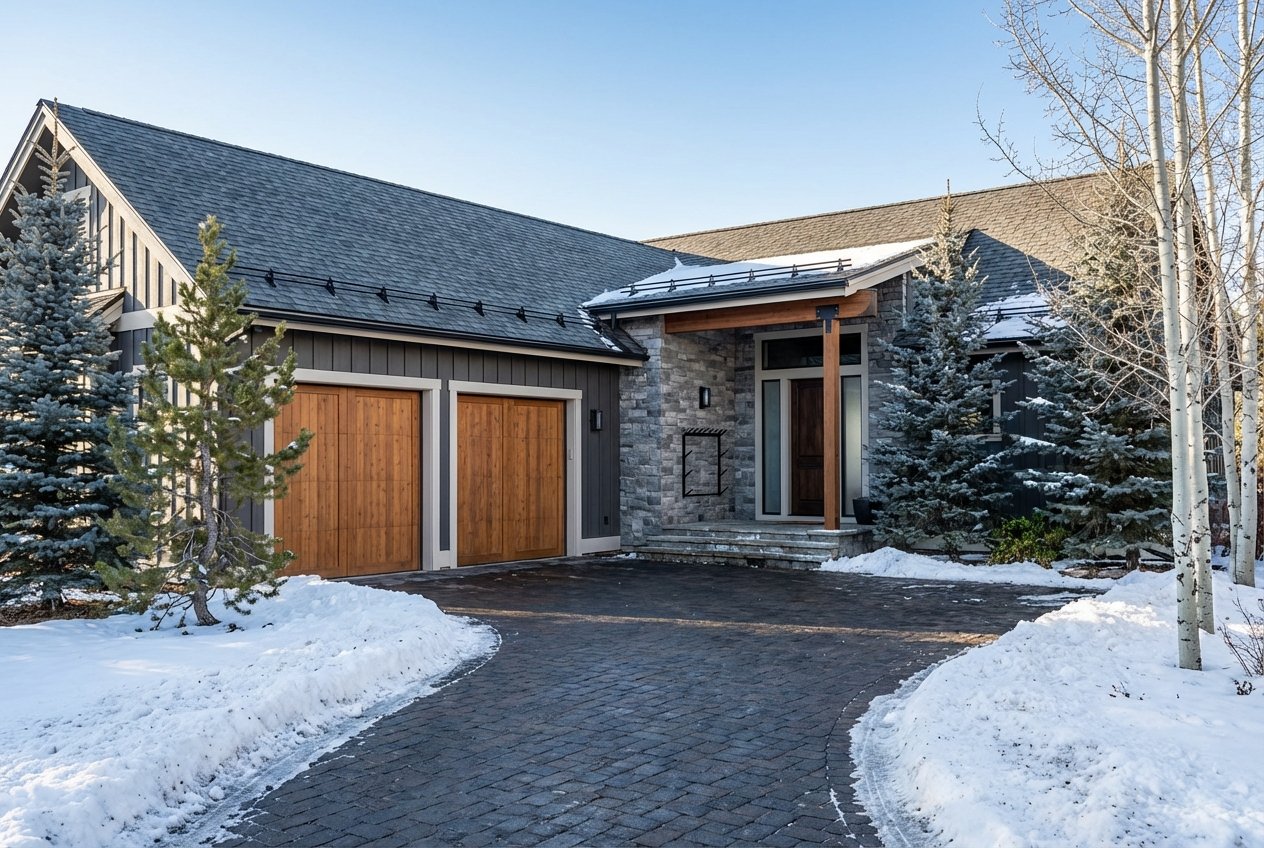
Shopping for a luxury home in Park City should feel exciting, not overwhelming. You want easy access to the mountains, a home that works for your lifestyle, and confidence that you’re investing wisely. The key is knowing how Park City’s micro-markets differ and which due diligence steps matter most for second-home and relocation buyers. In this guide, you’ll get a clear framework to compare neighborhoods, weigh year-round access, and review HOA and rental rules with confidence. Let’s dive in.
What “luxury” means in Park City
“Luxury” in Park City varies by micro-market. Citywide values sit in the low-to-mid seven figures, but ski-in and slope-side homes, branded residences, and large private estates often transact well above that. Pricing depends on direct ski access, service level, views, privacy, and inventory in each neighborhood. Turnkey, well-located homes can move quickly when priced correctly.
Demand is driven by second-home buyers, high-net-worth relocations, and resort growth that adds branded residences and new amenities. Limited terrain and a finite land base put pressure on inventory, especially in premier ski neighborhoods and club communities.
Choose by lifestyle priority
Ski-in and slope-side access
If immediate mountain access sits at the top of your list, focus on slope-side enclaves like Empire Pass, Deer Crest, and The Colony. These areas deliver direct ski access, strong views, and limited supply. Expect premium pricing and a need to verify recorded ski easements, private lift or funicular rules, and any club or membership conditions that come with the property.
Branded residences and full-service resorts
Montage- and St. Regis–affiliated residences and similar condo-hotel products offer a high level of service. You may see amenities such as valet, concierge, owner lockers, spa access, and shuttle service. Review the fine print on rental pools, owner-use rules, and club memberships. These details affect both flexibility and carrying costs.
In-town and Old Town convenience
Properties in and around Historic Main Street and Old Town deliver a walkable lifestyle with dining, events, and easy bus access. Some pockets allow short-term rentals, subject to local licensing and HOA approval. Tradeoffs include smaller lots, historic-district design controls, and tighter parking.
Golf, lake, and master-planned privacy
Gated golf communities and Jordanelle-area developments trade slope-side proximity for privacy, amenities, and newer product. Expect excellent year-round recreation and club programming. If you value space, views, and a quieter setting, these neighborhoods can be compelling. Plan for longer drives to Main Street and resort base areas.
Year-round access and mountain realities
Airport access and timing
Salt Lake City International Airport is about a 35 to 45 minute drive to Park City in normal conditions. Winter storms, weekend traffic in Parley’s Canyon, and special events like Sundance can extend travel time. If you travel often, build in buffer time during storms and holidays and consider private shuttle or car services.
Winter traction laws and vehicles
Utah’s traction laws may require 3-peak mountain snowflake tires or chains on canyon segments during severe weather. Confirm whether your driveway and neighborhood are reachable during storms and whether your HOA or private road rules address snow equipment. Before closing, verify who manages snow removal and road maintenance in your micro-neighborhood. You can review Utah’s traction requirements on the UDOT site for up-to-date details.
- Resource: Review Utah’s traction device requirements and canyon controls at the state’s page on snow tire and chain rules: UDOT traction law requirements.
Avalanche awareness for slope-adjacent homes
Resorts manage avalanche control on groomed terrain, but steep terrain and backcountry zones can pose additional risks near some neighborhoods. For properties located below gullies or alongside ski runs, ask for a hazard review during due diligence. Monitor daily forecasts and speak with local experts for context on historical mitigation.
- Resource: Get regional avalanche education and daily updates from the Utah Avalanche Center.
Wildfire risk and defensible space
Many Park City neighborhoods border open space and forest. Ask whether the HOA participates in fuels reduction or local Firewise programming and whether recent mitigation work has been completed. Some insurers factor wildfire exposure into underwriting, so it pays to confirm coverage options early.
- Resource: Learn about defensible space and local readiness programs from the Park City Fire District’s Ready-Set-Go guide.
Site-level winter details to check
Small details make a big difference in heavy-snow seasons. Review driveway length and grade, guest parking options, snow storage areas, and roof snow load history. Ask about ice dam prevention, plumbing freeze protection, and whether your HOA or the owner handles private road plowing. These items impact usability and operating costs.
HOAs, amenities, and what to request in documents
Services and cost tradeoffs
Resort communities and branded residences often include front-desk service, ski valet, concierge, spas, fitness centers, private shuttles, and managed rental programs. These create convenience and can support rental income, but they also come with assessments and operating rules. Confirm which services are included, optional, or tied to separate club memberships.
Core HOA document checklist
Before you commit, ask for the full association package and review it with your attorney and advisor. At a minimum, request:
- CC&Rs and bylaws
- Current budget, audited financials or 2 to 3 years of P&L and balance sheets
- Most recent reserve study and percent-funded status
- Board minutes from the last 12 to 36 months
- Insurance certificates for property and D&O
- Management agreement
- Litigation summary and any planned capital projects or special assessments
Underfunded reserves are a common driver of special assessments. Make sure the reserve study line items and funding plan align with the age and complexity of the property and amenities. For guidance on what to look for in a reserve study, review this resource: How to find a reserve study professional.
Rental pools and condo-hotel rules
If rental income or owner flexibility matters, get the exact management contract and recent rental financial statements. Confirm any owner-use blackout dates, rental program participation rules, and club access terms. These details shape both net income and lifestyle.
A Park City due-diligence checklist
Use this checklist to compare listings efficiently and avoid surprises later.
Title, survey, and easements (Priority)
- Order an ALTA survey and a title report. Verify recorded ski-access easements, private-road maintenance agreements, and any deed restrictions or density or membership covenants.
HOA records and responsibilities (Priority)
- Obtain CC&Rs, bylaws, budgets, reserve study, board minutes, insurance certificates, management agreement, and litigation disclosures. Confirm who pays for snow removal, road maintenance, and clubhouse utilities.
Nightly rentals and licensing (Priority for income buyers)
- Verify that zoning and HOA rules allow short-term rentals. Properties inside Park City limits require a Nightly Rental License. Unincorporated areas require licensing through Summit County. Confirm past tax remittances if a property has been rented. Start with the city’s Nightly Rental License overview and check county requirements on Summit County’s business licensing page. Local enforcement has increased, so verify compliance history before you underwrite income. Recent coverage highlights stepped-up reporting and oversight, including a county hotline for STRs. See the Park Record’s update on STR enforcement.
Physical inspections for mountain homes (Priority)
- Schedule a full home inspection, including roof, exterior envelope, HVAC, boilers, and radiant systems. Inspect chimneys and fireplaces. Check for moisture or mold in homes that sit closed in winter. For properties near steep slopes, consider a geotechnical or slope-stability assessment.
Utilities, water, and irrigation
- Confirm culinary water and sewer providers. Park City and the Snyderville Basin include multiple entities, such as the Mountain Regional Water Special Service District. For properties on wells or septic, obtain permits and recent test results. Ask about irrigation restrictions during drought years.
Natural hazard and insurance checks (Priority)
- Look up flood exposure on FEMA’s Flood Map Service Center and confirm whether your policy covers earth movement, landslide, or avalanche. These perils may be excluded under standard policies and require special coverage. Start with the FEMA Flood Map Service Center.
Wildfire and avalanche mitigation
- Request any Firewise documentation, HOA fuels-reduction records, and local wildfire assessments. For slope-adjacent properties, obtain avalanche path information and discuss historical mitigation with resort or safety staff. Confirm that your insurer will bind coverage at closing.
Operating cost modeling
- Build a 12 to 24 month pro forma that includes HOA dues, utilities, snow removal, property management, insurance, property taxes, and planned capital replacements. Compare turnkey homes to remodel candidates within the same micro-market.
Services and connectivity
- Confirm availability and response times for property managers, cleaners, HVAC and plumbing vendors, and snow plow contractors. Test broadband and cell coverage in the exact micro-neighborhood. Do not assume city-level service applies to every hillside or gated road.
Taxes, financing, and timing
Property tax bills in Park City vary by district and can include city, schools, fire, and special service lines. Effective tax rates in Summit County are often lower than national averages when measured as a percentage of market value, though dollar amounts on seven-figure homes remain substantial. Plan for prorations at closing and confirm any special district charges. For a data-driven snapshot of Park City property tax trends, review this summary: Park City property tax overview.
Jumbo and second-home financing guidelines can shift with the market. Underwriting for second homes often requires higher down payments and reserves. Prequalify with a lender who understands resort and condo-hotel product before you start touring.
Inspection and review periods can run longer in Park City, especially when HOA or municipal approvals are required or when sellers are out of state. Build in time to confirm rental eligibility, transfer club memberships if applicable, and collect complete HOA records.
How we can help you compare and close with confidence
You deserve a streamlined path to the right Park City property. We help you clarify lifestyle priorities, pre-screen neighborhoods, and assemble the right team for inspections, insurance, and financing. We also coordinate virtual tours and on-the-ground logistics for relocation and second-home searches, so you can make a confident decision from anywhere.
If you’re weighing ski access, in-town convenience, or a private club community, let’s talk about the tradeoffs and the fine print that actually matter. Connect with Whitney Foley to start your tailored search.
FAQs
What defines a luxury home in Park City’s market?
- Luxury varies by micro-market and product type. Slope-side and branded residences often command the highest prices due to direct ski access, service levels, limited inventory, and views.
How long is the drive from SLC airport to Park City in winter?
- In normal conditions it is often 35 to 45 minutes, but storms, weekend traffic, and events can add time. Plan buffer windows during peak periods and consider private shuttle options.
Are short-term rentals allowed in Park City luxury neighborhoods?
- It depends on zoning and HOA rules. Inside city limits, a Nightly Rental License is required. Unincorporated areas may allow STRs with a county license. Always verify eligibility and compliance history.
What HOA documents should I review before buying a condo-hotel?
- Request CC&Rs, bylaws, budgets, audited financials, the reserve study, board minutes, insurance certificates, management contracts, and any disclosures on litigation or planned projects.
How do wildfire and avalanche risks affect ownership near Park City?
- These natural hazards can influence insurance underwriting, maintenance planning, and owner obligations. Obtain local mitigation records and confirm insurance coverage before closing.