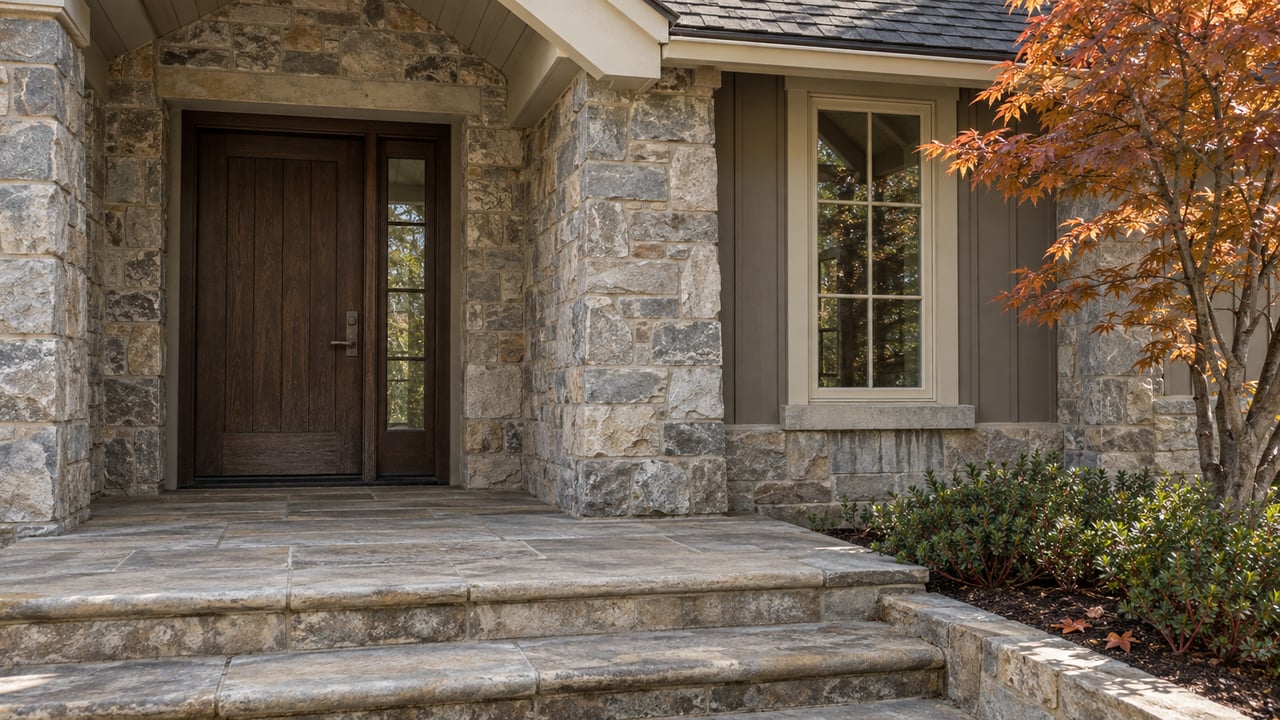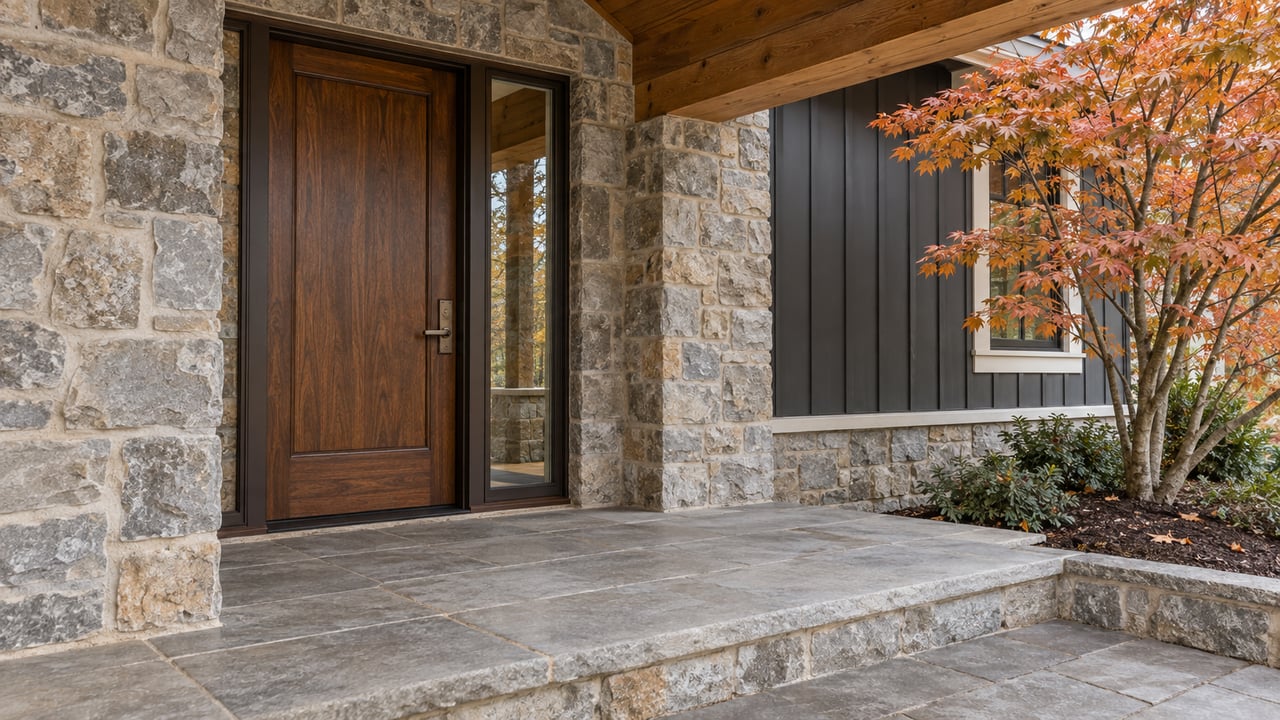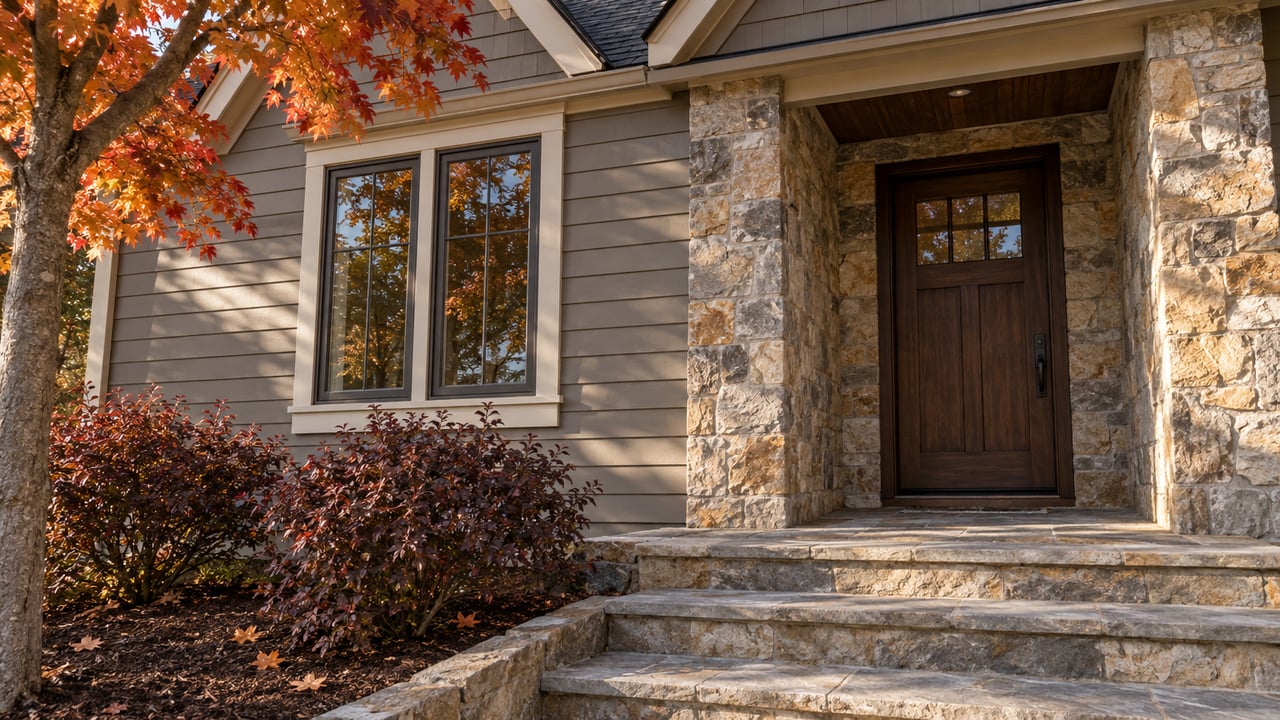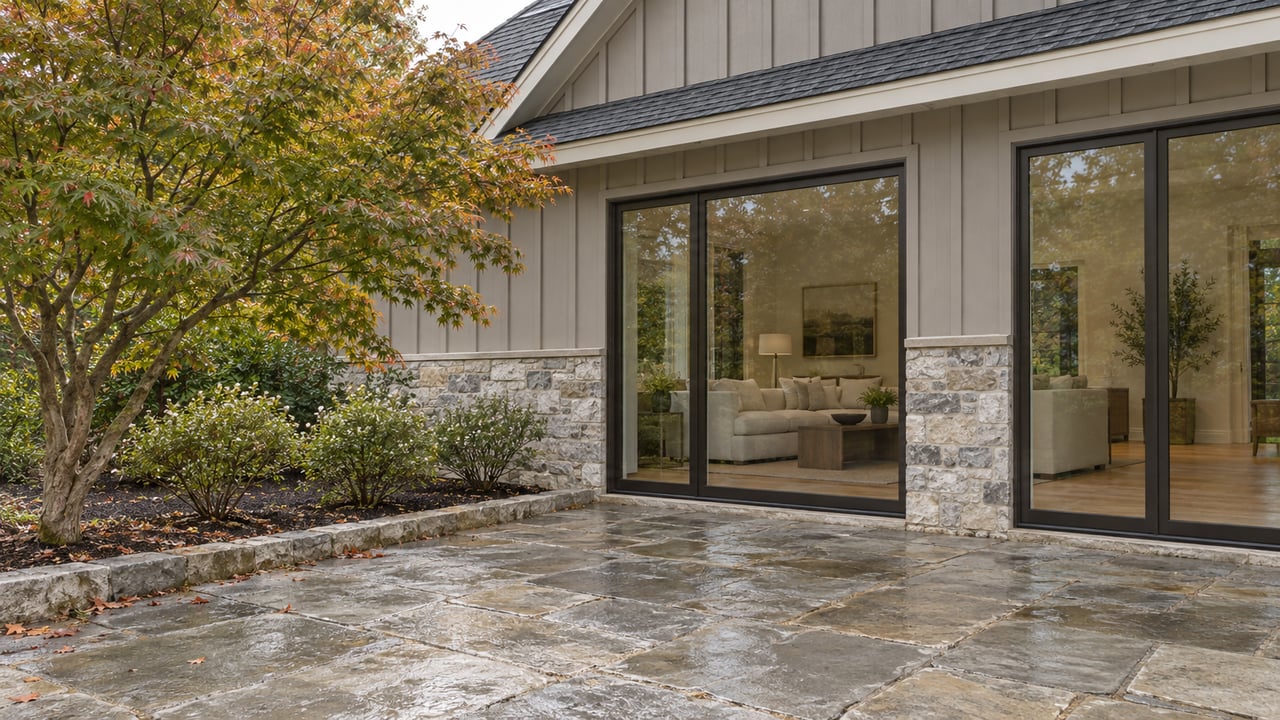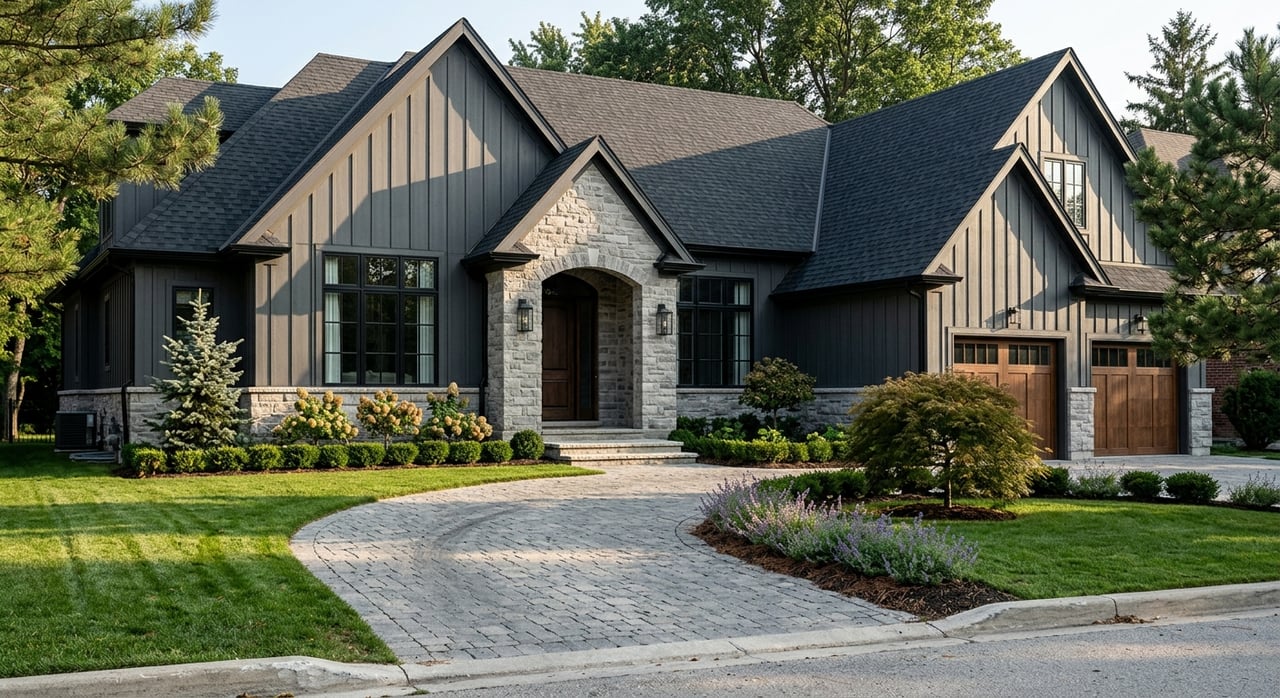
Choosing between Federal Heights and The Avenues is not just about square footage or curb appeal. In Salt Lake’s 84102 area, these two east-side neighborhoods offer very different daily experiences, even though both are well-known for beautiful homes and a strong sense of place. If you are trying to decide which setting fits the way you want to live, this guide will help you compare location, housing style, neighborhood feel, and practical ownership factors. Let’s dive in.
Federal Heights vs. The Avenues
If you want the short version, The Avenues feels more urban and historic, while Federal Heights feels more private and foothill-oriented. Both sit on Salt Lake City’s east side in Council District 3, but the city describes them in very different terms.
According to Salt Lake City’s neighborhood overview of the Lower Avenues, The Avenues is the city’s first neighborhood and sits between downtown and the Wasatch Mountains, with walking access to downtown and the University of Utah. By contrast, the city’s Federal Heights overview places Federal Heights in the northeast corner of the city below Block U, directly north of the University of Utah and near foothill natural areas.
That difference shapes almost everything else, from street layout to home style to how connected or tucked away a property feels.
The Avenues: Urban and Historic
The Avenues is often the better fit if you want a neighborhood with a central location and a strong historic identity. The city highlights its grid-like street pattern, narrow tree-lined streets in the lower section, and homes in the upper area that can capture valley views. It also includes historic apartment buildings and small-scale commercial uses like restaurants and retail, which gives it a more mixed and active feel than a purely residential enclave.
For many buyers, that means day-to-day convenience. You may appreciate being closer to downtown destinations, the University of Utah, and a neighborhood layout that feels easier to navigate on foot. If your lifestyle includes frequent trips into the city core or you value a setting with visible architectural variety, The Avenues often stands out.
A long architectural story
The Avenues is one of Salt Lake City’s most historically significant residential districts. The city says it became a local historic district in 1978 and includes more than 100 architect-designed homes, with styles dating back to the late 1860s, including Queen Anne and Prairie Style examples. You can explore those details on the city’s historic district page for The Avenues.
A city preservation-plan draft also identifies The Avenues as Salt Lake City’s largest historic district, with around 2,700 properties. Over time, its original lot layout was further subdivided, which helps explain why the neighborhood has such a varied mix of homes, apartments, and streetscapes.
What density feels like here
The Avenues generally has a more compact development pattern than Federal Heights. Because the neighborhood evolved over time and includes a mix of homes and apartments, it tends to feel more tightly gridded and more closely knit.
That is not a negative or a positive on its own. It simply means your experience may feel more connected to surrounding homes, nearby streets, and neighborhood activity. If you enjoy energy, convenience, and historic character layered closely together, this can be a strong match.
Federal Heights: Secluded and Residential
Federal Heights offers a different kind of luxury experience. Rather than feeling woven into the city grid, it feels shaped by the foothills.
The city describes Federal Heights as sitting below Block U and bordering both the Red Butte Canyon Research Natural Area and the Tomahawk Natural Area. In the city’s preservation materials, the neighborhood is also described as having rolling topography, curvilinear streets, manicured landscaping, and a residential character defined by its hillside setting.
That combination often appeals to buyers who want a quieter setting with a bit more separation from the city rhythm. While it remains close to the university and central Salt Lake, its physical layout can feel more tucked away.
Homes with a later-era luxury feel
Federal Heights developed later than The Avenues, and that difference shows in the housing stock. A city preservation-plan draft says the neighborhood includes residences dating from the 1920s to the 1950s, with architect-designed high-style homes and relatively few modern intrusions. The same source notes that the area extended into more modern upscale housing toward the northeast, so there is some variation depending on where you look.
In practical terms, Federal Heights may appeal to you if you want architectural presence without quite the same concentration of much older historic homes found in The Avenues. The neighborhood’s hillside setting and later development pattern often create a more estate-like impression.
A terrain-driven layout
Federal Heights is less grid-driven and more terrain-driven. The city’s description of rolling topography and curving streets suggests a neighborhood that may feel less uniform and more shaped by the land.
This often translates to a stronger sense of privacy and visual separation between homes. While that is an inference based on the city’s published neighborhood descriptions rather than a formal lot survey, it aligns with how Federal Heights is consistently framed in city materials.
Lifestyle Differences That Matter
When you compare Federal Heights and The Avenues, the lifestyle question usually comes down to access versus seclusion.
If you want a more walkable neighborhood with historic charm, central positioning, and easier access to downtown Salt Lake and the University of Utah, The Avenues is likely the clearer fit. If you want a more elevated residential setting with foothill character, trail access, and a quieter estate-style atmosphere, Federal Heights is often the better match.
Neither choice is inherently better. It depends on how you want your home to function in daily life.
Choose The Avenues if you value
- Walkable access to downtown and the university
- A historic district with deep architectural variety
- A more urban neighborhood fabric
- Narrow, tree-lined streets and a traditional grid pattern
- A setting with homes, apartments, and small-scale neighborhood commercial uses
Choose Federal Heights if you value
- A more secluded foothill setting
- Proximity to natural areas and trail access
- Curving streets and rolling topography
- A more residential, estate-like feel
- Homes largely dating from the 1920s through the 1950s, plus some newer upscale housing
Historic Review and Ownership Considerations
One of the biggest practical differences between these neighborhoods is preservation oversight.
The Avenues is on Salt Lake City’s current list of local historic districts. According to the city, exterior changes and demolitions in local historic districts are subject to design review intended to protect historic architecture and neighborhood stability.
For some buyers, that added review is a benefit because it supports neighborhood character and long-term visual consistency. For others, it may mean taking a more careful approach before planning exterior updates.
Federal Heights is not listed on the city’s current local historic district roster. The preservation-plan draft described it as an excellent candidate for a future historic district, which suggests there may be more flexibility today, along with less formal protection at this time.
If you are weighing renovation potential or long-term stewardship, this is an important distinction to keep in mind.
Which Neighborhood Fits You Best?
If your ideal day includes coffee near downtown, easy university access, and living among some of Salt Lake City’s most established historic architecture, The Avenues may feel like home. Its appeal comes from character, location, and a neighborhood pattern that connects you closely to the city.
If you picture a more private setting near the foothills, with a quieter street experience and homes shaped by hillside topography, Federal Heights may be the stronger fit. Its appeal is tied to space, setting, and a more secluded residential feel.
In a luxury market, the right choice is rarely just about the house. It is about how the neighborhood supports the life you want to build around it.
If you are comparing homes in 84102 and want a thoughtful, high-touch perspective on what fits your goals, Whitney Foley offers boutique guidance backed by deep local knowledge and concierge-level service.
FAQs
What is the main lifestyle difference between Federal Heights and The Avenues?
- The Avenues generally offers a more walkable, central, urban-historic setting, while Federal Heights offers a more secluded foothill setting with a stronger residential and estate-like feel.
Is The Avenues a historic district in Salt Lake City?
- Yes. The Avenues is listed by Salt Lake City as a local historic district, and certain exterior changes and demolitions are subject to design review.
Does Federal Heights have the same historic district oversight as The Avenues?
- No. Based on Salt Lake City’s current local historic district roster, Federal Heights is not currently listed as a local historic district.
Which Salt Lake neighborhood is closer to downtown, The Avenues or Federal Heights?
- The city describes The Avenues as sitting between downtown and the Wasatch Mountains, with walking access to downtown and the University of Utah.
What kind of homes are common in Federal Heights?
- City preservation materials describe Federal Heights as having architect-designed homes dating largely from the 1920s to the 1950s, along with some more modern upscale housing in the northeast part of the area.
What kind of homes are common in The Avenues?
- The Avenues includes a wide range of historic residential styles dating from the late 1860s forward, including Queen Anne and Prairie Style homes, along with apartments and varied lot patterns.