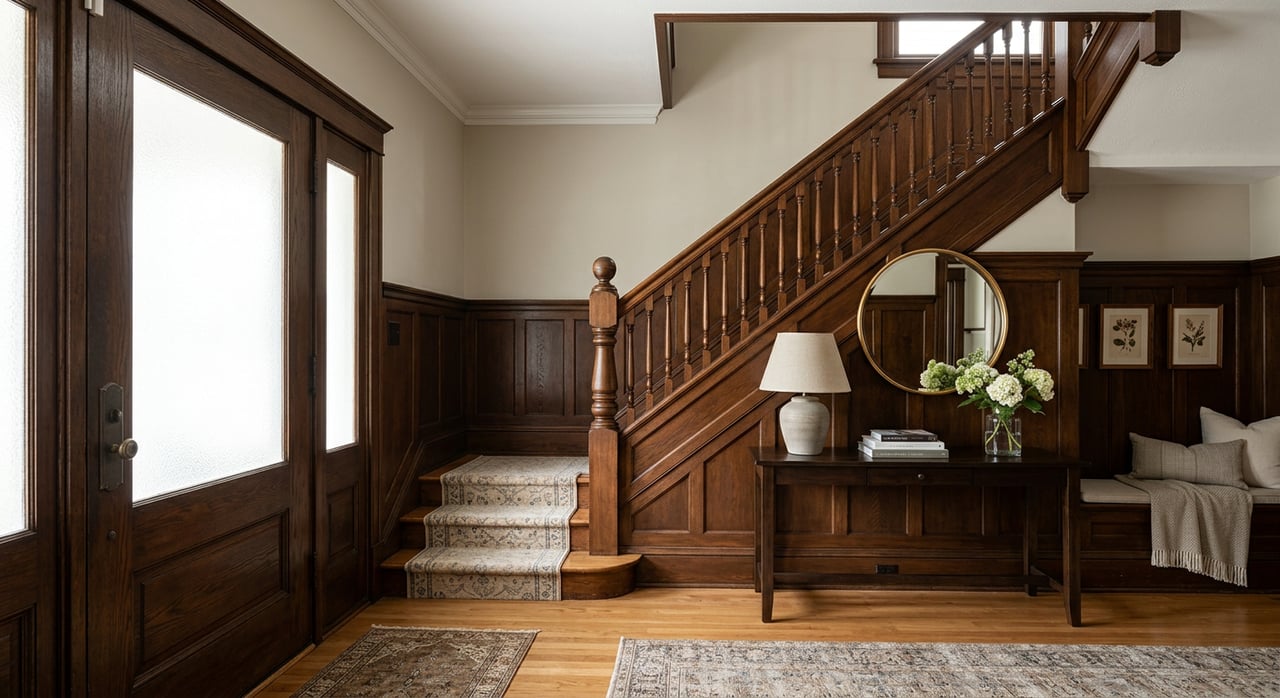
Selling a character home in The Avenues can feel equal parts exciting and complex. You know your home has charm, craftsmanship, and history that buyers love, yet you also want a smooth sale that respects local rules and maximizes your price. In this guide, you’ll learn how to prepare, price, and present your historic property with confidence in 84103. Let’s dive in.
Know your historic context
The Avenues is Salt Lake City’s principal historic residential district, with homes from the late 19th and early 20th centuries in a range of architectural styles. You can explore the area’s heritage on the city’s page for The Avenues historic district. The neighborhood’s planning conversations continue to evolve, and local groups share helpful updates for owners. The Greater Avenues Community Council’s historic district project page is a useful touchpoint for context and resources.
If your property sits within the local historic overlay, most exterior work requires a city review. The Historic Preservation office coordinates a Certificate of Appropriateness process before permits are issued for changes such as exterior repairs, replacements, additions, or demolition. Get familiar with the city’s applications and approvals guidance so you can answer buyer questions with clarity.
Build your pre-listing plan
Align on pricing and timing
Before you list, talk through pricing scenarios based on recent sales of similar period homes in 84103. Set a realistic range that accounts for location, lot, condition, and any documented upgrades. If your timeline is flexible, review seasonal patterns and interest rate trends so you can choose a launch date that supports your goals.
Gather documents buyers will expect
Serious buyers want proof of care. Pull together a complete folder that includes your Seller’s Property Condition Disclosure (UAR form), permits for past renovations, contractor receipts and warranties, and any original or historic photos. Utah’s disclosure form has specific prompts about permits and utilities, so complete it early; you can review recent updates through the Utah Association of Realtors.
If your home was built before 1978, federal lead rules apply. Provide the EPA/HUD lead pamphlet and disclose any known lead information to buyers. You’ll find the required resources on the EPA’s page for real estate lead disclosure.
Consider a pre-listing inspection
Older homes often benefit from a seller-ordered inspection. A clean, third-party report can surface safety issues or deferred maintenance before buyers do, which reduces surprises and supports stronger offers. Inspection groups note lower renegotiation risk when sellers share a pre-listing report; learn more from InterNACHI’s overview of pre-listing inspections.
Triage common Avenues home issues
Plan to verify or address items that appear often in older Salt Lake City houses. Typical findings include aged electrical (knob-and-tube or early wiring), older plumbing lines, original single-pane windows and limited insulation, roof or flashing wear on steep roofs, and masonry or stucco repairs. Cellar moisture and drainage can be a concern on sloped lots, and pre-1979 homes may have materials that contain asbestos or lead. Regional seismic vulnerability, including unreinforced masonry, is another topic to document for buyers and insurers. Local planning materials for The Avenues summarize these age-related issues; you can review a recent neighborhood plan document here.
Pricing and appraisal strategy
Value the right features
Character homes require nuance in pricing. Your agent should build a sales-comparison analysis that highlights feature-level value, from intact woodwork and original millwork to documented system upgrades and permitted restorations. If comparables are scarce, it can help to speak with an appraiser who understands historic properties. Appraisal guidance notes special considerations when preservation restrictions or historic status affect marketability or use; you can explore the Appraisal Institute’s resources for valuing unique properties for context.
Protect your price
Price within the market band supported by recent comps. For one-of-a-kind homes, equip your listing with a concise narrative that explains each value-adding feature and the scope and dates of major work. Focus on quick, high-visual-impact refreshes such as paint, lighting updates, and subtle kitchen or bath styling rather than heavy renovations that may not pencil. Target your marketing to buyers who appreciate period details and the neighborhood’s historic setting.
Visual marketing that wins
Why visuals drive results
Buyers rely on online search and photography to decide which homes to tour. Research from the National Association of REALTORS shows listing photos rank among the most useful website features for buyers. You can browse these insights in NAR’s 2023 Home Buyers and Sellers Generational Trends Report. For character homes, strong visuals that spotlight architectural details are essential to attract the right audience.
Your essential media package
- High-resolution interior and exterior photography, including close-up detail shots.
- A twilight exterior and one dramatic image that captures the entry or signature feature.
- Floor plans with basic room dimensions to clarify the flow of an older layout.
- A 3D tour or guided video walkthrough for out-of-area buyers.
- Drone photos if your property offers skyline or valley views.
- A one-page house story that lists construction date, architect if known, notable restorations with permit dates, preserved original features, and documented system upgrades.
Tell a credible story
Buyers of historic homes respond to facts and clarity. Label what is original versus restored, and include dates, permits, and contractor names where possible. If you share oral history or anecdotes, present them as “owner notes” rather than claims of historical significance. Keep the tone warm and accurate so your narrative builds trust.
Educate buyers early
Transparency helps you sell faster and negotiate with confidence. Provide your UAR Seller’s Property Condition Disclosure and, for pre-1978 homes, the EPA lead pamphlet and any known lead information. If you completed a pre-listing inspection, make it available to qualified buyers.
For exterior alterations, explain the local historic review process and where buyers can find the city’s instructions. Share the Salt Lake City page on applications and approvals and note any preservation covenants or easements recorded on the property. Early education narrows the gap between curiosity and confident offers.
Navigate offers with fewer surprises
Expect questions about energy performance, maintenance costs, and the age and documentation of mechanical systems. Prepare a tidy folder of permits, receipts, and warranties, and summarize any upgrades by date. If a buyer raises inspection findings, your pre-listing report and organized records help keep the conversation focused and productive.
Local resources to know
- Salt Lake City Historic Preservation Program: guidance and contacts for reviews and Certificates of Appropriateness. See the city’s applications and approvals.
- Greater Avenues Community Council: neighborhood history, updates, and links to preservation partners. Explore the historic district project page.
- Housing Stability Division programs: the city has referenced façade and repair assistance, including programs like Fix the Bricks, in recent planning documents. Review the draft 2025–2029 Consolidated Plan here and confirm current details with the city.
Your pre-listing checklist
- Signed and dated UAR Seller’s Property Condition Disclosure. Review recent changes via the Utah Association of Realtors.
- EPA lead pamphlet for pre-1978 homes and any known lead disclosures. Access the EPA resources.
- Copies of permits and contractor receipts for major work, including roof, electrical, plumbing, structural, or seismic improvements.
- Optional but recommended: a seller-ordered pre-listing inspection. Read about benefits from InterNACHI.
- High-quality photography, floor plan, and a one-page historic feature sheet.
- Contact information for trusted contractors and the city’s Historic Preservation staff, plus the city’s applications and approvals link for buyer reference.
Questions to ask when you hire your listing agent
- Which three historic or character homes have you listed and sold near 84103 in the past 12–18 months, and how did you market them?
- How will you price my home in a way that balances exposure and value, and how will you handle appraisal contingencies for a unique property?
- What is your media plan, including photography, 3D tours, and staging, and who pays for which services?
- Do you recommend a pre-listing inspection or pre-listing appraisal for my home, and will you coordinate it?
- How will you educate buyers about the local historic overlay and manage questions about Certificates of Appropriateness and exterior work?
When you pair thoughtful preparation with expert presentation, your Avenues home stands out for all the right reasons. If you want boutique guidance backed by global reach, connect with Whitney Foley for a tailored plan that honors your home’s character and achieves a premium result.
FAQs
What does Avenues historic designation mean when I sell?
- If your home is in the local historic district, most exterior changes require review through a Certificate of Appropriateness before permits are issued. Plan for buyer education and share the city’s process early.
Should I get a pre-listing inspection for an older home?
- Yes, many sellers of historic homes benefit. A pre-listing report can surface safety or maintenance issues, reduce renegotiation, and give buyers confidence from day one.
How do I price a one-of-a-kind home in 84103?
- Start with a sales-comparison analysis that highlights period features and documented upgrades, then consult an appraiser experienced with historic properties if comps are thin. Support your price with a clear, factual property narrative.
What documents do buyers expect for pre-1978 homes?
- Expect to provide the UAR Seller’s Property Condition Disclosure, permits and receipts for major work, any available inspections, and the EPA lead pamphlet plus known lead information.
Are there city programs to help with preservation-friendly work?
- Salt Lake City has referenced repair and façade assistance in planning materials, including programs like Fix the Bricks. Review current offerings and eligibility with the city before you list.