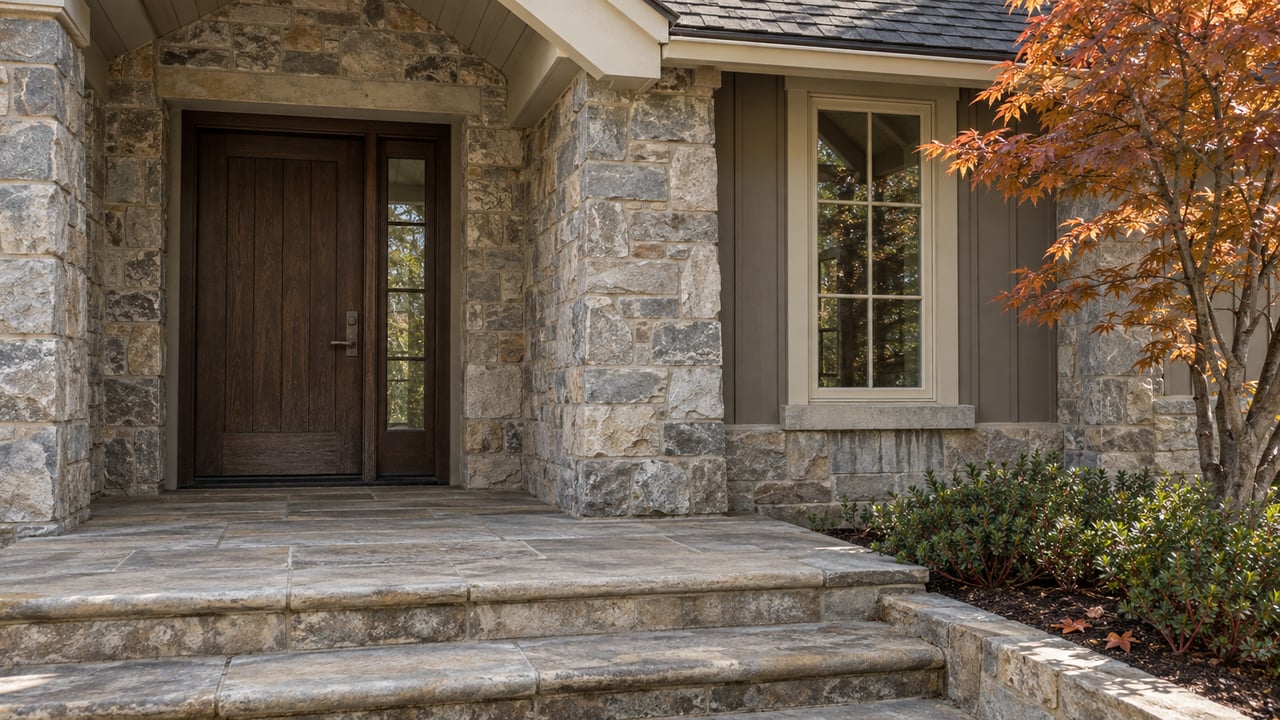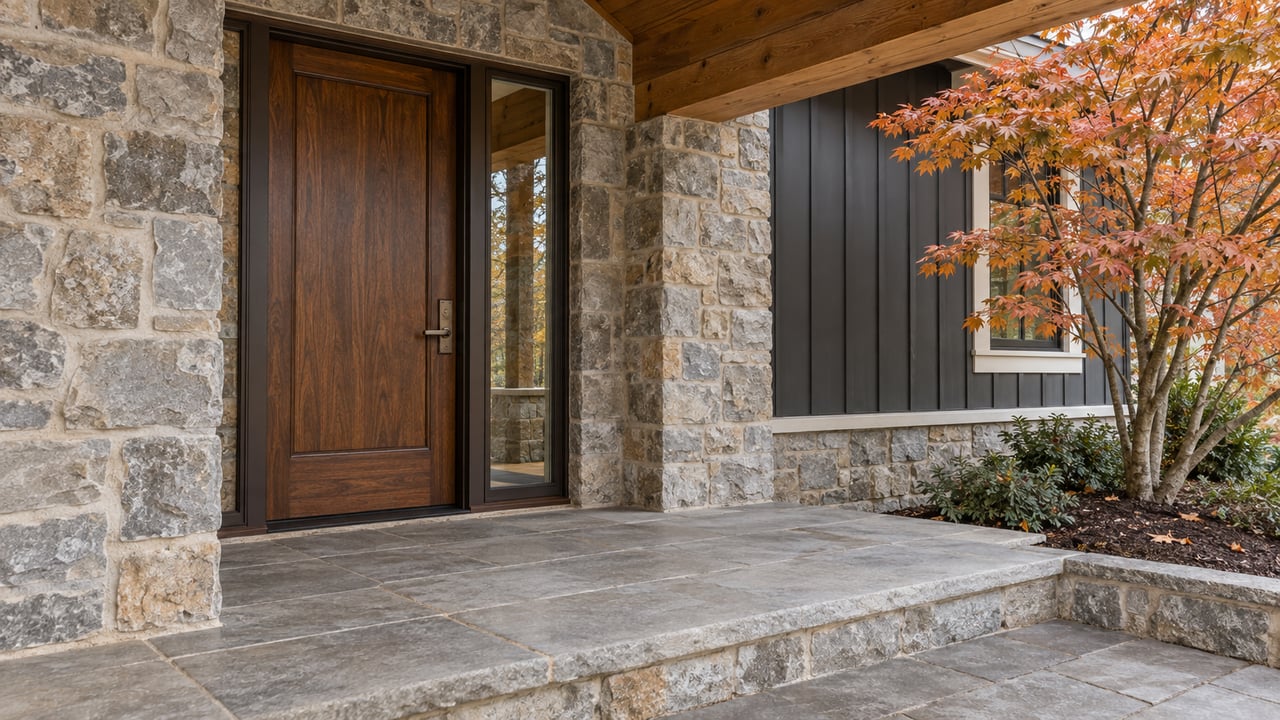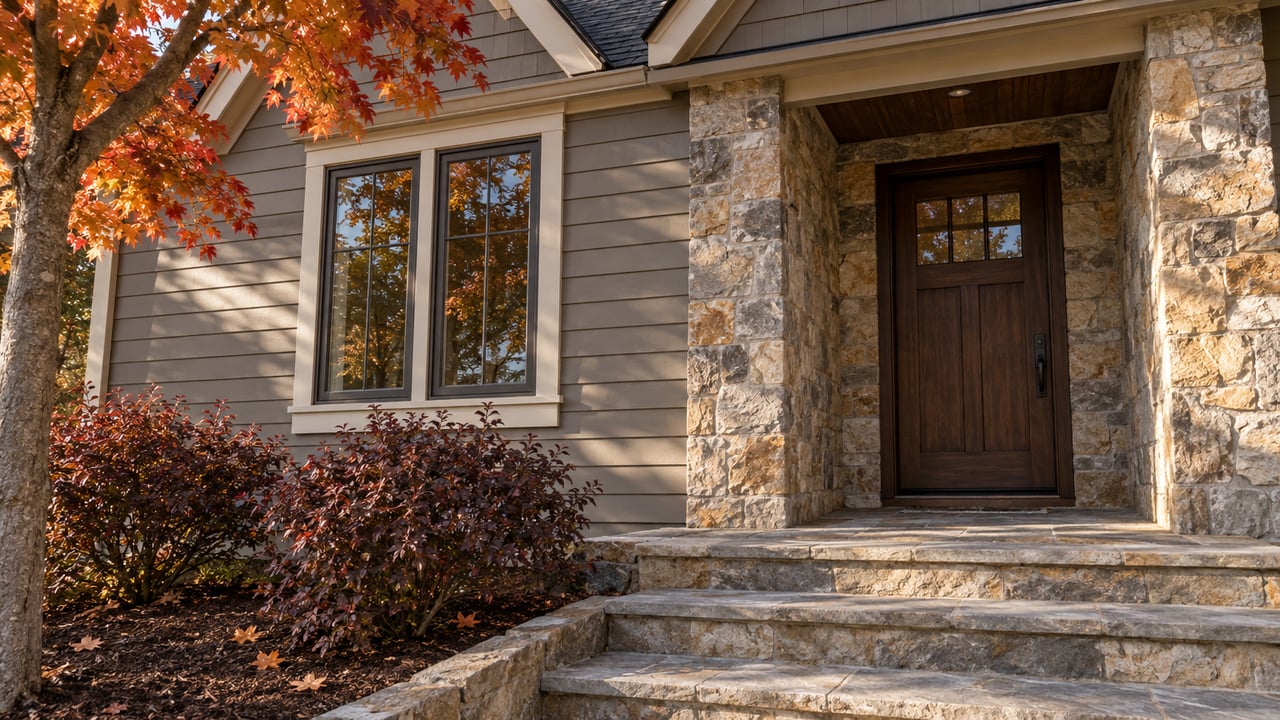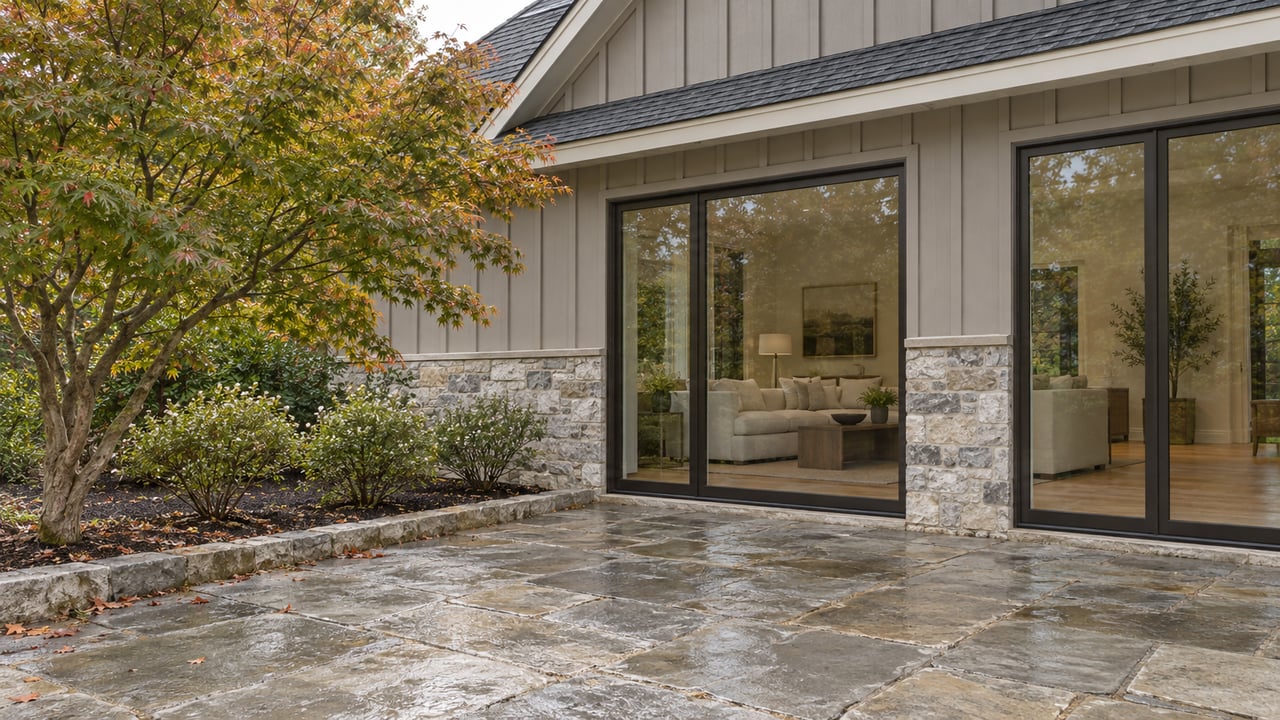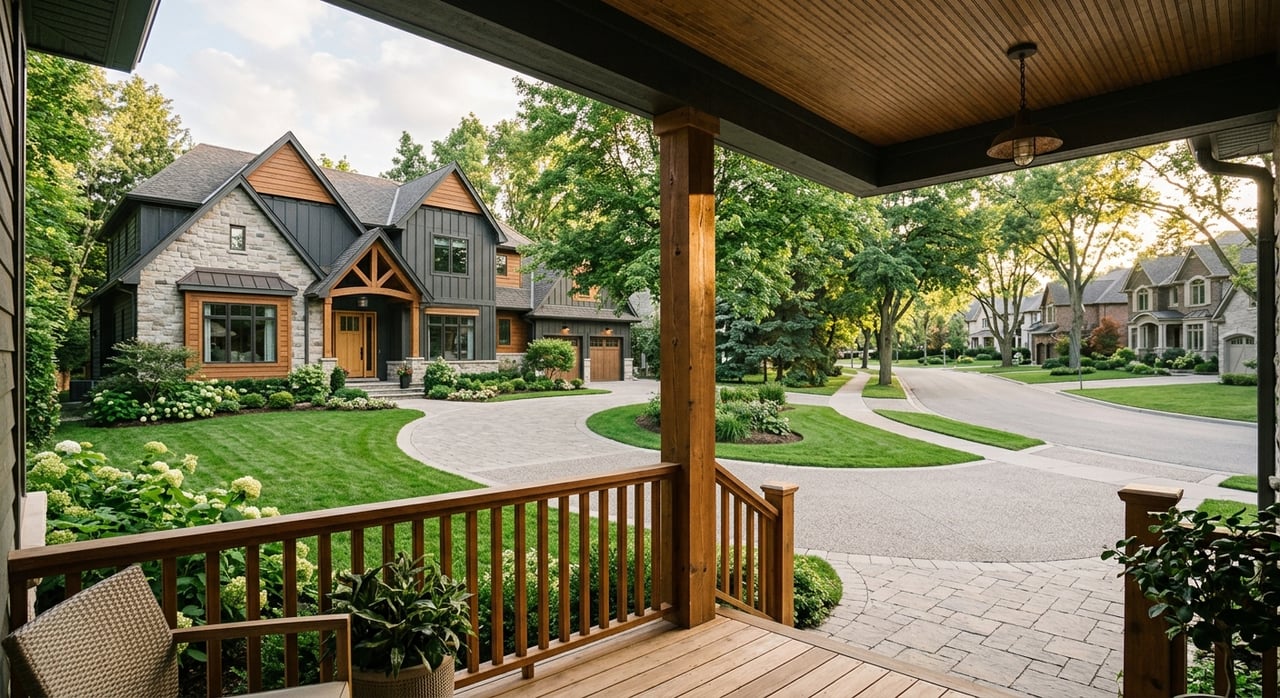
Wondering whether your next home should come with more space, more privacy, and a neighborhood that feels established from day one? If you are moving up from a smaller home or a denser part of Salt Lake County, Holladay often enters the conversation for good reason. It offers a distinctly residential feel, a wide range of lot sizes, and convenient access to both daily essentials and mountain recreation. Let’s take a closer look at whether Holladay fits what you want in your next move.
Why Holladay Appeals to Move-Up Buyers
Holladay stands out as a low-density, primarily residential community with a strong single-family foundation. According to the city’s General Plan, single-family development covers 56.9% of the city’s land area, and residential uses total just over 63% of the city.
That physical layout shapes how Holladay feels when you drive through it. Instead of a neighborhood dominated by large commercial strips or apartment clusters, you are more likely to notice established streets, mature vegetation, and homes on larger parcels.
That pattern also shows up in ownership trends. Census QuickFacts cited in the city plan report an owner-occupied rate of 78.7% and a median owner-occupied home value of $763,400. For many buyers, that combination suggests a place with long-term residents, established housing, and a stable residential character.
What the Housing Feels Like
One of Holladay’s biggest strengths is that it is not one-note. The city describes it as an area with large and deep residential lots, private lanes, mature vegetation, and a variety of housing styles and types.
That matters if your move-up goals are specific. You may want more indoor square footage, a quieter street pattern, or outdoor space that feels more private than what you have now. Holladay can support those priorities in ways that denser neighborhoods often cannot.
Lot Sizes Vary by Pocket
Holladay’s zoning allows for a broad lot-size spectrum. The city code includes minimum lot areas from 12,000 square feet in some districts up to 24,000, 30,000, and 45,000 square feet in lower-density single-family zones, plus estate districts with minimums of 1.5, 3, and 6 acres, according to the city’s zoning packet.
In practical terms, that means your experience in Holladay can change a lot from one pocket to another. Some sections feel like classic low-density subdivisions, while others have a distinctly estate-oriented feel with deeper setbacks, larger yards, and a more secluded rhythm.
The city’s General Plan also states that Holladay intends to preserve half-acre lot patterns in some areas and large-lot or estate patterns in others. If your version of a move-up home includes more land, mature trees, and greater separation from neighboring homes, this is one of Holladay’s clearest advantages.
Styles Are More Varied Than You Might Expect
Holladay also offers more architectural variety than many buyers assume. The city points to a range of housing styles, and historic examples include pioneer-era structures, Bungalow/Craftsman homes, Colonial Revival homes, and other revival-era designs, as outlined in the General Plan.
That variety carries into the broader housing mix. A city housing report says the local housing stock is still majority detached single-family at 67.7%, with townhomes at 13.3% and multifamily at 18.7%, based on the city’s housing resources report.
For you, that means Holladay is not defined by one architectural era or one housing product. You can find historic character, more conventional detached homes, and newer redevelopment pockets depending on where you focus your search.
Daily Life in Holladay
A neighborhood can look great on paper but still feel inconvenient day to day. Holladay tends to work well for move-up buyers because it balances residential calm with practical access to shopping, dining, and services.
The city identifies Holladay Village as the traditional downtown core and notes that commercial uses are generally concentrated around Highland Drive, Murray-Holladay Road, and 6200 South. The plan also points to Holladay Hills and Holladay Crossroads as major mixed-use or redevelopment areas.
That setup gives you convenience without making the entire city feel commercial. You can access key errands and local activity centers, but much of Holladay still reads as primarily residential.
A Village-and-Corridor Layout
Holladay’s layout is useful to understand before you buy. Convenience is not spread evenly across the city, so some homes will feel closer to walkable daily stops, while others will feel more tucked away and driving-oriented.
The city says Holladay Village creates an attractive center of pedestrian activity within walking distance for many residents, even though Holladay remains largely car-oriented overall. If you want a move-up home with a quieter setting but still appreciate nearby local nodes, that tradeoff may feel like a good fit.
Access to the Outdoors
If your ideal next home includes easier access to foothill and canyon recreation, Holladay has a real advantage. This is not just a general mountain-lifestyle image. The city’s planning documents identify actual trail and canyon connections that shape the local experience.
The city notes a developed off-street trail in Heughs Canyon that connects to the Bonneville Shoreline Trail and references possible future trail links toward the Mt. Olympus Trailhead and canal corridors. The plan also says much of Holladay’s open-space feel comes from mature trees and vegetation on larger private lots, especially in the Cottonwood and Walker Lane area.
For bigger regional recreation, Big Cottonwood Canyon is the nearest major mountain corridor. The U.S. Forest Service describes the Big Cottonwood Canyon Scenic Byway as a 15-mile drive with alpine views, recreation opportunities, access to two four-season ski resorts, and Silver Lake.
If skiing, hiking, scenic drives, or quick canyon access are part of your lifestyle, Holladay can make those routines easier without requiring you to leave Salt Lake County.
How Holladay Compares to the East Bench
For many move-up buyers, the real question is not whether Holladay is appealing. It is whether Holladay is a better fit than a closer-in East Bench neighborhood.
That comparison is less about which area is better and more about what kind of daily experience you want. Both can be strong options, but they tend to serve different priorities.
Holladay’s Feel vs. East Bench
Salt Lake City describes the East Bench as the city’s foothill bench community and easternmost community. Official descriptions emphasize older distinctive homes in the western area, newer contemporary homes on the eastern slopes, and major nearby anchors such as the University of Utah, Research Park, and the Veterans Administration Hospital.
Holladay’s planning documents point in a different direction. They emphasize low-density residential land, large lots, mature trees, private lanes, and a village-and-corridor structure for shopping and services.
If you want more land, more privacy, and a more suburban rhythm, Holladay may feel like the stronger match. If you want to stay closer to major city institutions and a more urban foothill context, East Bench may hold more appeal.
Housing Character and Streetscape
East Bench areas such as Yalecrest are known for a concentrated historic identity. Salt Lake City’s Yalecrest historic district page highlights period revival styles, architect-designed homes, and manicured landscaping, while nearby Federal Heights is described as historic and walkable with tree-lined streets and large sidewalks.
Holladay is broader and less stylistically uniform. Instead of one tightly defined historic-district feel, you get more variation in home style, lot pattern, and street layout.
That can be a plus if you are open-minded about architecture and more focused on space, privacy, or land. It can be less ideal if your top priority is a highly consistent historic streetscape with a stronger close-in urban feel.
Signs Holladay May Be the Right Fit
Holladay often makes sense for move-up buyers who want to stay in Salt Lake County while changing how their home lives day to day. You may be a good fit if you are looking for:
- More indoor square footage
- Larger yards or deeper setbacks
- Mature landscaping and established streets
- A quieter residential setting
- Access to local shopping nodes without living in a dense mixed-use district
- Convenient routes to foothill and canyon recreation
The key is to remember that Holladay is not uniform. The feel can shift meaningfully between larger-lot residential pockets and areas closer to Holladay Village, Holladay Hills, or Holladay Crossroads.
Questions to Ask Before You Buy in Holladay
If Holladay is on your shortlist, it helps to narrow your search around the lifestyle details that matter most. Consider these questions as you compare homes and micro-locations:
- Do you want a home near Holladay Village or farther into a larger-lot residential pocket?
- Is your priority lot size, home style, or proximity to daily conveniences?
- Do you prefer a more secluded setting or easier access to commercial corridors?
- How important is quick access to trailheads, canyon routes, or foothill recreation?
- Are you comparing Holladay with East Bench neighborhoods that offer a different street pattern and housing character?
These questions can keep your move-up search focused on fit, not just square footage.
If you are weighing Holladay against other premium Salt Lake County neighborhoods, a clear neighborhood-by-neighborhood strategy can save time and help you buy with confidence. Whitney Foley offers personalized guidance for buyers who want a thoughtful, high-touch approach to finding the right next home.
FAQs
Is Holladay a good neighborhood for a move-up home in Salt Lake County?
- Holladay can be a strong move-up option if you want more space, a primarily residential setting, mature landscaping, and access to everyday conveniences without leaving Salt Lake County.
What makes Holladay feel different from denser Salt Lake County neighborhoods?
- Holladay’s planning documents emphasize low-density residential land, large and deep lots, private lanes, and mature vegetation, which create a more spacious and private feel.
How large are lots in Holladay, Utah?
- Lot sizes vary widely by zoning district, with minimums ranging from 12,000 square feet to 45,000 square feet in several single-family zones, plus estate districts with minimums of 1.5, 3, and 6 acres.
Does Holladay have mostly single-family homes?
- Yes. A city housing report says 67.7% of Holladay’s housing stock is detached single-family, with townhomes and multifamily making up smaller shares.
Is Holladay closer to mountain recreation than some other Salt Lake County neighborhoods?
- Holladay offers practical access to foothill and canyon recreation, including Heughs Canyon trail connections and nearby Big Cottonwood Canyon for hiking, scenic drives, and four-season recreation.
How does Holladay compare with Salt Lake City’s East Bench for move-up buyers?
- Holladay generally suits buyers who prioritize more land, privacy, and a quieter residential rhythm, while East Bench may appeal more if you want a closer-in setting with a stronger historic or urban foothill context.