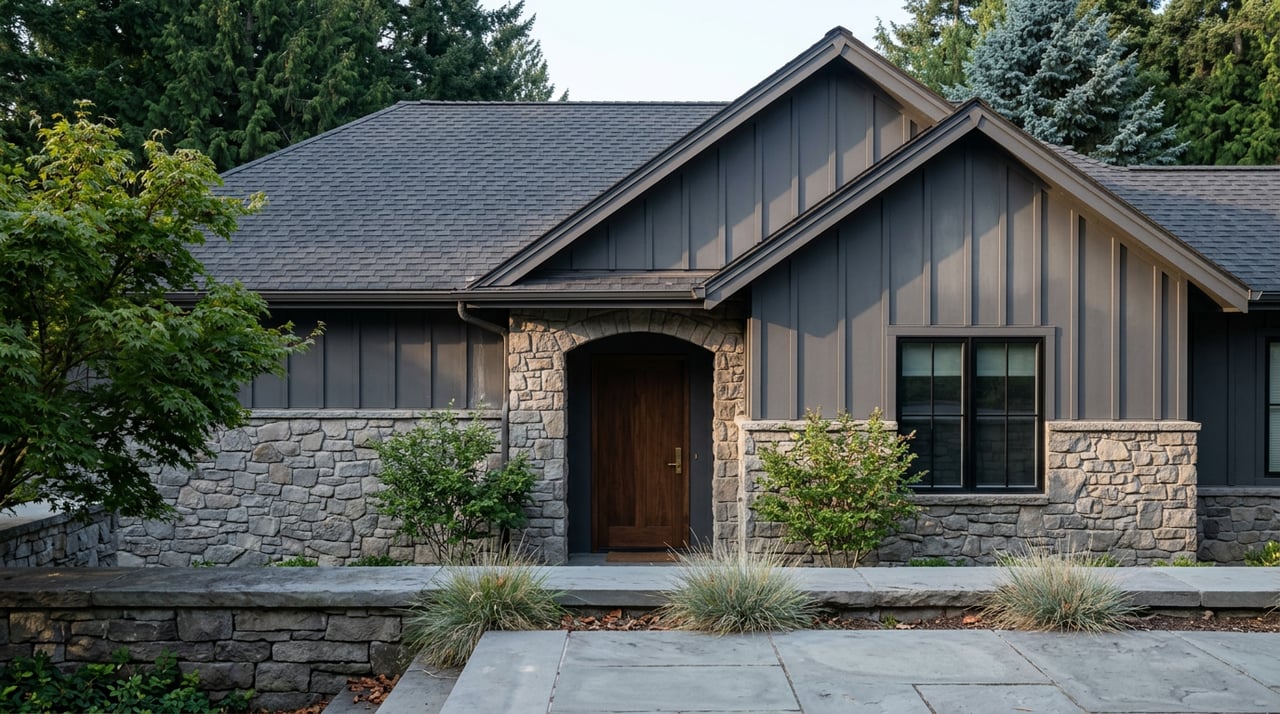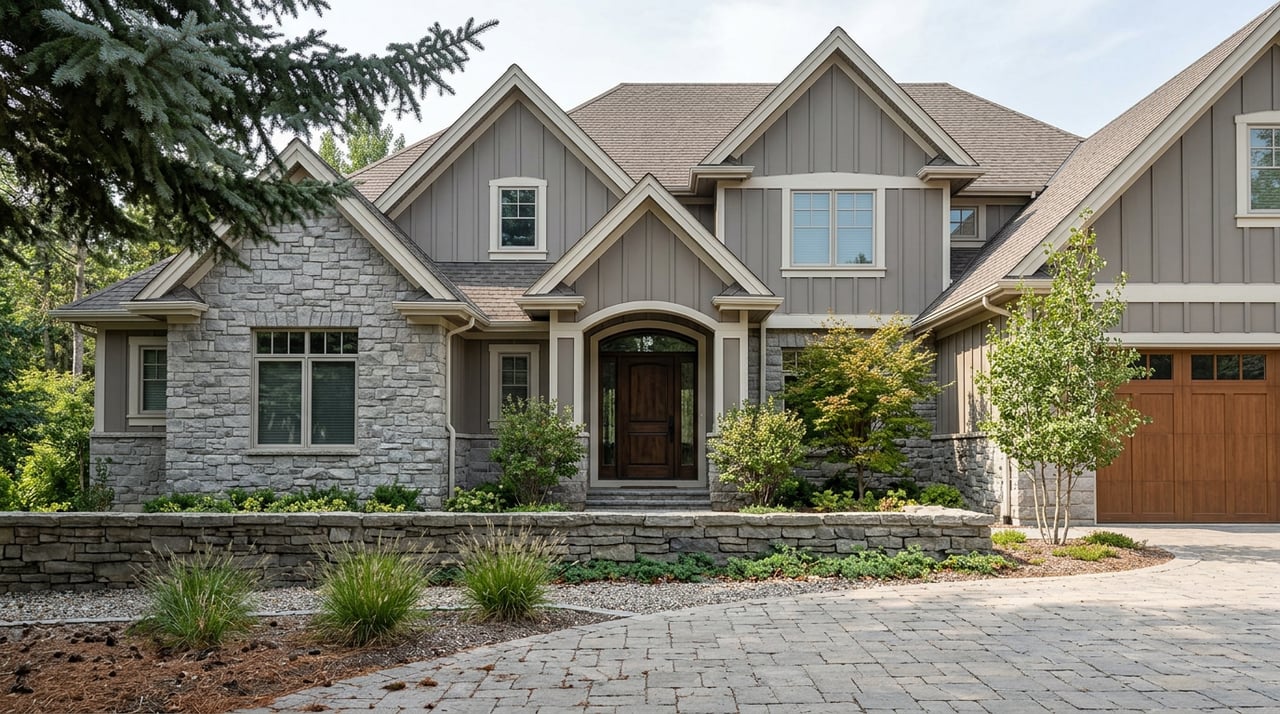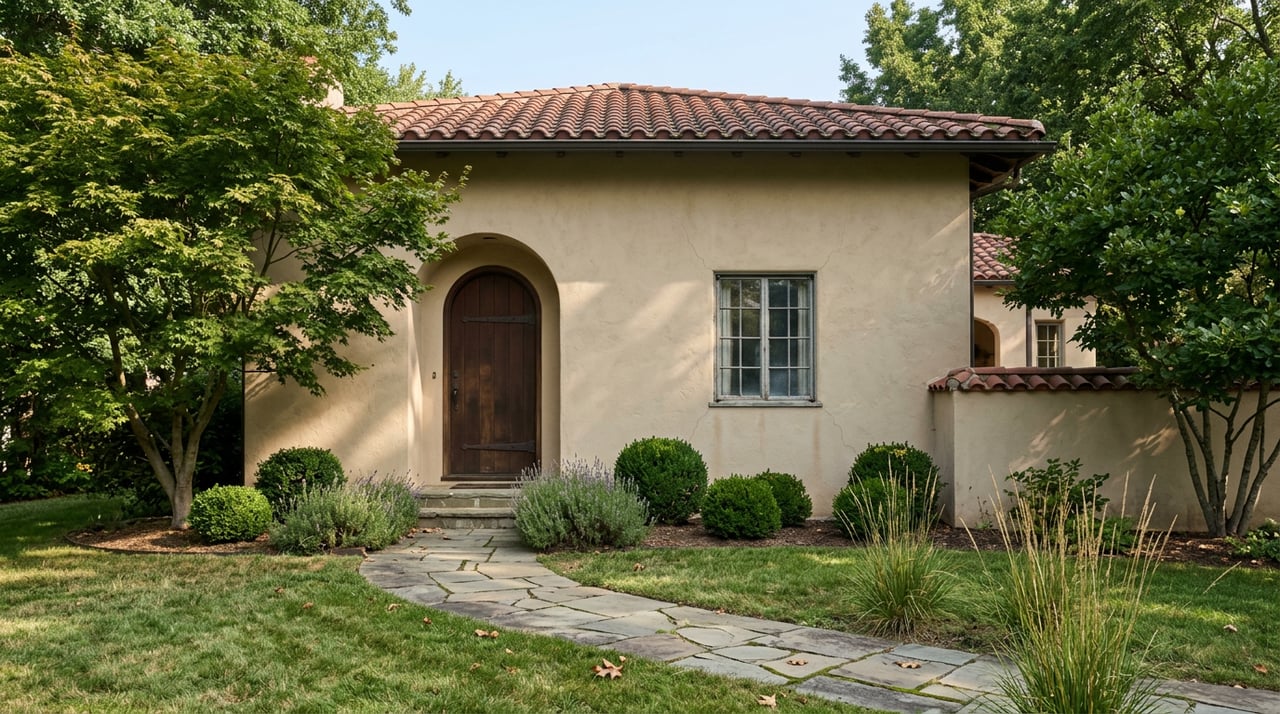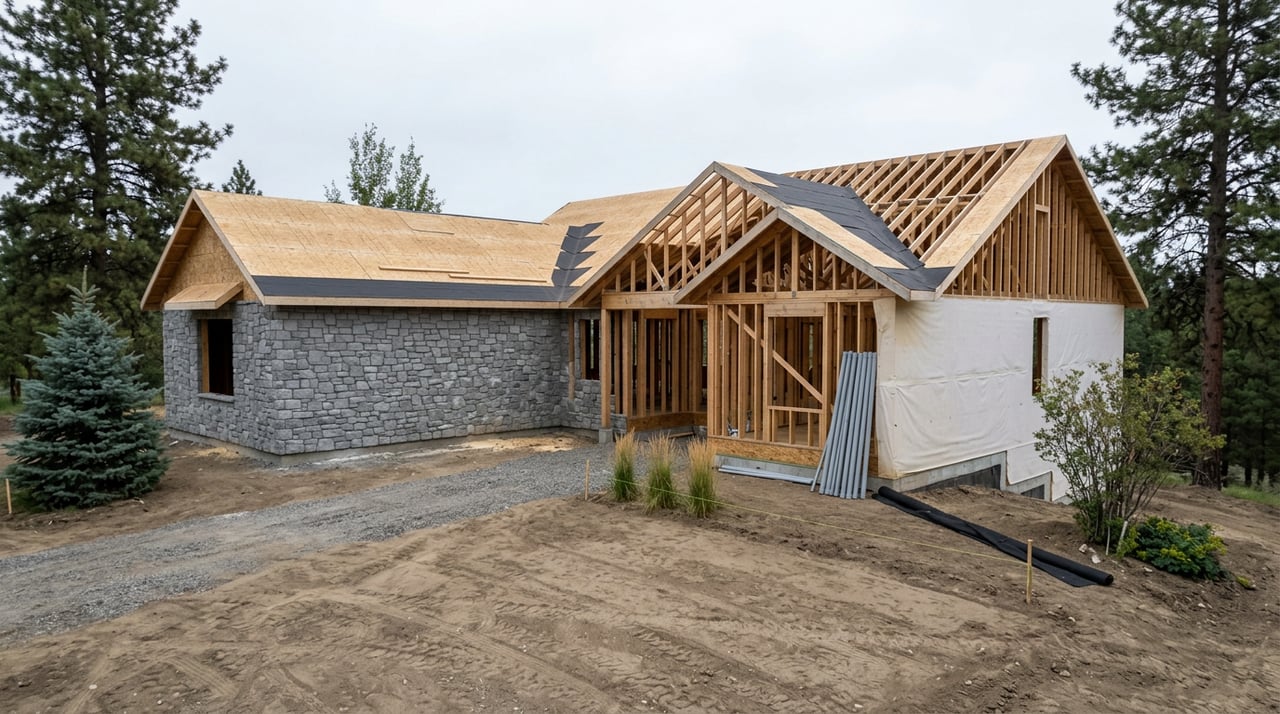
Picture two buyers touring Park City this month with roughly the same budget. One walks through a finished five million dollar home in Promontory, checks every box, and writes an offer before lunch. The other stands on a bare half acre lot listed at a similar price and walks away convinced it's the better buy. Both are reading the same market correctly. That split, not the headline sales figure, is the real story in Park City real estate this year.
According to the Park City Board of Realtors' second quarter report, covered by KPCW in early August, land transactions across the Wasatch Back jumped 46 percent in number and 74 percent in dollar value compared to the same quarter in 2025, with land revenue climbing from roughly $89.4 million to $180.5 million. Total market sales for the quarter topped $1.35 billion, a solid number but a far more modest gain than what land alone produced. Board President Gretchen Hudgens pointed to it as evidence of "confidence in our market," but the more useful read for anyone actually shopping is narrower: a growing share of buyers are choosing to skip finished inventory entirely and build from the ground up.
The Buyer Pool Is Changing, Not Just the Prices
Hudgens and Board CEO Jennifer Armandi described a market where developers are already responding to shifting demand, with fewer buyers defaulting to the traditional four bedroom, three and a half bath layout on a standard lot. That tracks with what the land data shows on its own. Buyers who once compared finished homes against each other are now comparing a finished home against a blank canvas, and increasingly choosing the canvas.
This is not a story about Park City becoming cheaper or more accessible. It is a story about buyers with the means to wait fourteen to twenty four months deciding that control over floor plan, orientation, and finish level is worth more than moving in next month. That is a meaningfully different buyer than the one comparing two similar listings side by side.
Why Land Keeps Getting Scarcer While Sales Keep Climbing
The part of this story that rarely makes the headline is the supply side. New land listings across the Park City area have been shrinking for years, dropping from roughly 327 in 2021 to around 166 by 2024, and the decline has continued into 2025 and 2026. Fewer parcels are coming to market even as more of them sell.
Across 510 closed land sales tracked from January 2024 through March 2026, the median sale price landed at $1.47 million, with 84 percent of buyers paying cash. Average days on market ran 155 over that full window, but the 2026 year to date figure has tightened to 114 days. Well priced lots in in-demand communities are now closing in under 30 days, while overpriced or complicated parcels can still sit for six months or longer.
Put those two threads together and you get a market where the supply of buildable land keeps contracting while the buyers chasing it move faster and pay in cash more often. That is not a market cooling down. It is a market where a specific product, raw land, is getting harder to find at the exact moment more people want it.
What "Just Building It Myself" Actually Costs in Time
The instinct to treat a lot as the cheaper path is common and often wrong once the full timeline enters the picture. A finished home in most Park City submarkets can close in 30 to 60 days. A custom build, by contrast, typically runs 14 to 24 months from the day land closes to the day a certificate of occupancy is issued, and that clock does not start until financing, design, and permitting are sorted.
Gated communities add their own layer. HOA design review in places like Promontory, Tuhaye, Red Ledges, and Victory Ranch commonly takes 60 to 120 days before a buyer can even pull county permits, on top of whatever Summit or Wasatch County engineering and slope stability review requires. Construction itself generally runs $400 to $900 per square foot depending on site conditions and finish level, before land, soil work, or furnishings enter the budget. A steep lot in Old Town or a heavily wooded parcel in The Colony can push site preparation costs well past what a flatter Promontory homesite requires.
| Buying Finished | Buying Land and Building | |
|---|---|---|
| Typical timeline | 30 to 60 days to close | 14 to 24 months, land close to occupancy |
| Financing | Standard mortgage | 20 to 30 percent down, construction to permanent loan |
| Design control | Limited to available inventory | Full control over layout and finishes |
| Added review steps | None beyond standard inspection | HOA design review, 60 to 120 days in gated communities |
| Cost certainty | Fixed purchase price | Base construction plus site prep, soft costs, and contingency |
None of this makes land a poor decision. It makes it a different decision, one that depends far more on a buyer's timeline and appetite for a longer process than on the sticker price of the lot itself.
Where the Land Is Actually Moving
The most active communities in that 510 sale land dataset were not evenly distributed. Tuhaye led with 108 closed land sales, followed by SkyRidge at 68 and Marcella at Deer Valley at 52, with Promontory adding 56 sales across its various neighborhoods. That concentration tells its own story. Tuhaye and Marcella both sit within or near the Jordanelle corridor, an area where new base village development has kept builder and buyer attention high, while Promontory's golf and club amenities continue to reward buyers willing to design a home around a specific fairway or view corridor.
For a buyer comparing neighborhoods rather than individual listings, this matters more than it first appears. A lot in Tuhaye and a lot in Old Town are not competing for the same buyer. One trades on the momentum of a growing base area and a longer runway before build out is finished. The other trades on scarcity in a nearly built out historic core where remaining parcels are the exception rather than the rule.
The Math That Trips Up Even Experienced Buyers
The single most common miscalculation is assuming that a finished home priced at five million dollars could simply be replicated for less by buying land and building it yourself. Once land acquisition, 18 to 30 months of carrying costs, and current construction pricing are factored in, that math rarely holds. The buyers who come out ahead on a custom build tend to be the ones planning a long term hold, often seven years or more, or those who need a layout that no amount of searching turns up in existing inventory.
That is the real thesis behind this year's land numbers. The surge is not evidence that Park City has gotten more affordable or that a lot is automatically the value play. It is evidence that a specific, well capitalized buyer, one who values design control and can absorb a two year timeline, has decided that scarce land is worth chasing even as it gets harder to find and more expensive to hold. Understanding which kind of buyer you are before you tour a lot or a finished home saves months of second guessing later.
A Few Common Questions
Is land actually cheaper than buying a finished home? Not usually, once construction costs, carrying costs, and the current labor market are added to the purchase price. Land can make sense for buyers who want specific control over design or plan to hold the property long term, not primarily as a cost saving move.
How much cash do I need to buy land in Park City? Most land purchases in the area are financed differently than a standard mortgage, typically requiring 20 to 30 percent down through a construction to permanent loan. That said, 84 percent of land buyers in the recent dataset paid cash outright, which sellers continue to favor for speed and certainty.
How long does the HOA approval process add to my timeline? In design reviewed communities like Promontory, Tuhaye, Red Ledges, and Victory Ranch, plan on 60 to 120 days for design committee approval before county permitting even begins.
Whether the right move is a finished home or a lot worth building on depends on your timeline, your budget for the wait, and the specific submarket you're weighing. If you're trying to make that call with real numbers instead of guesswork, Whitney Foley is happy to walk through it with you. Let's find your perfect property.