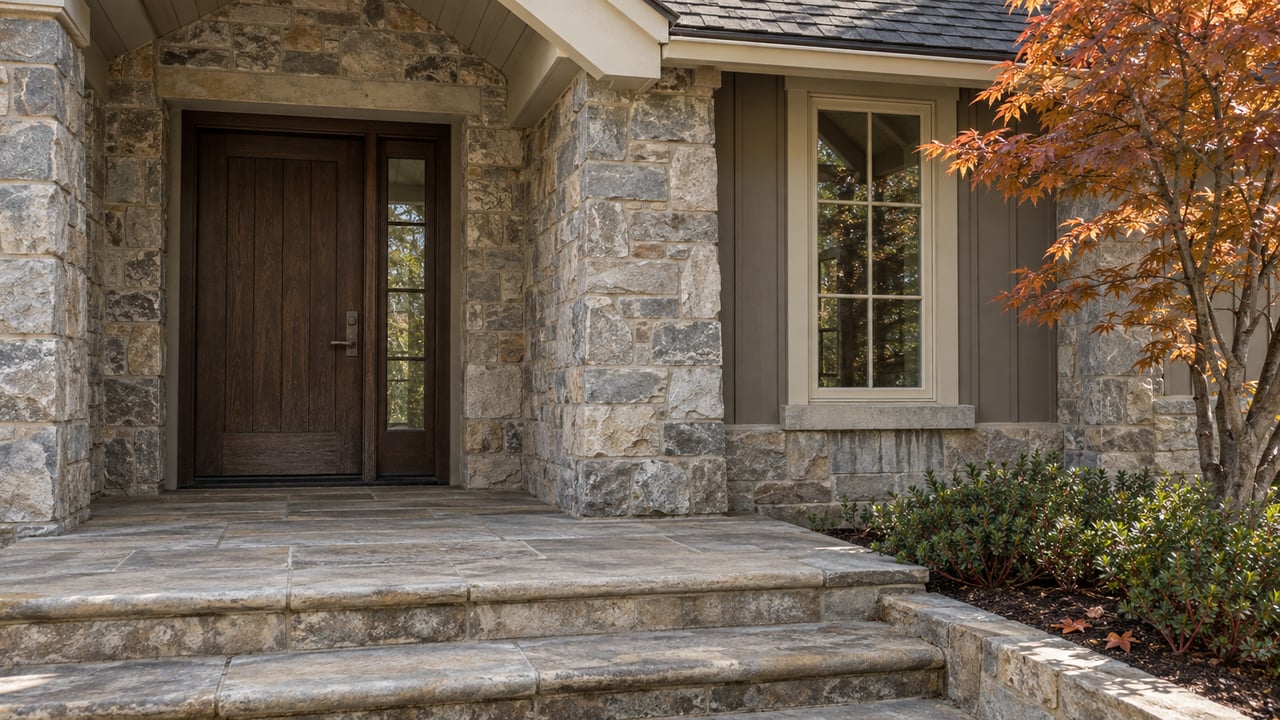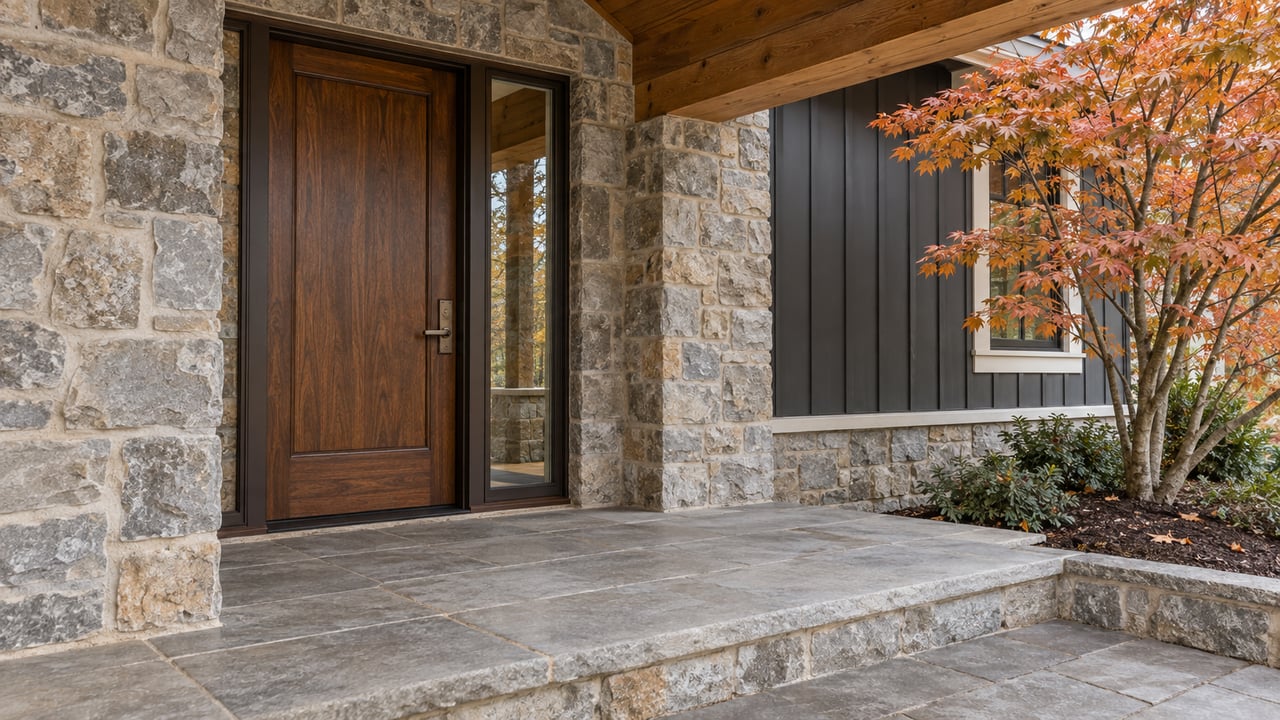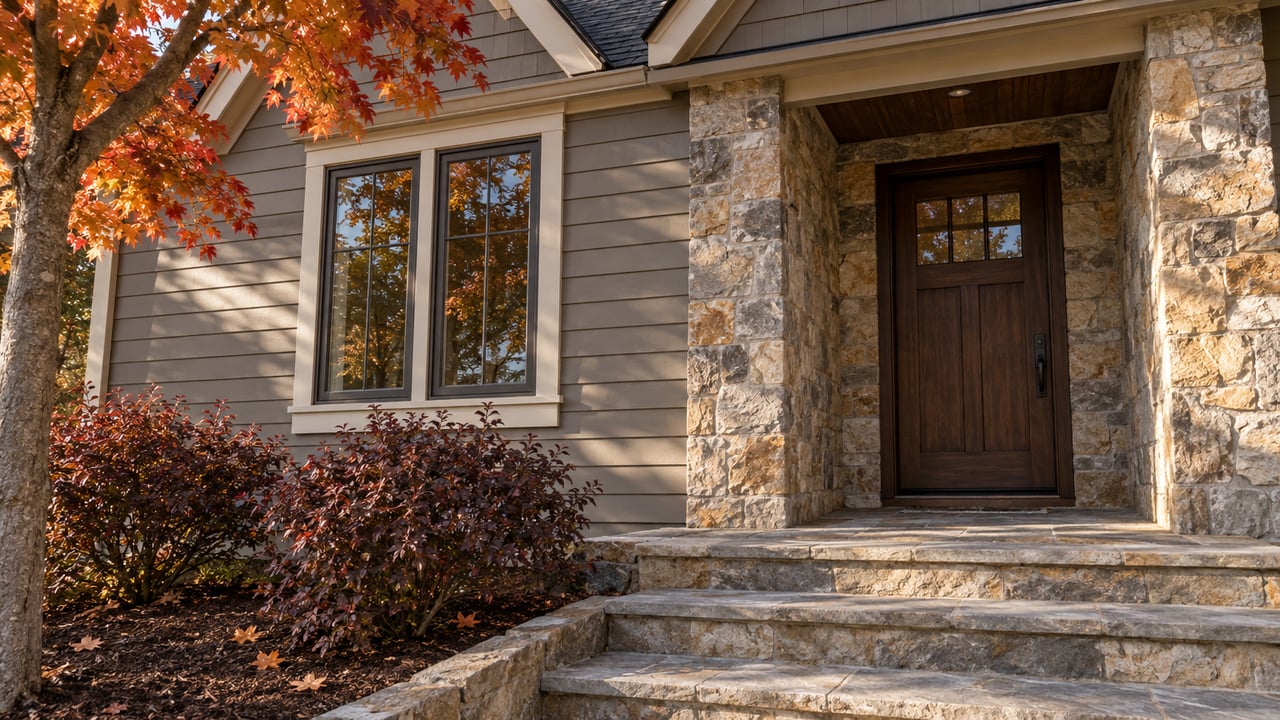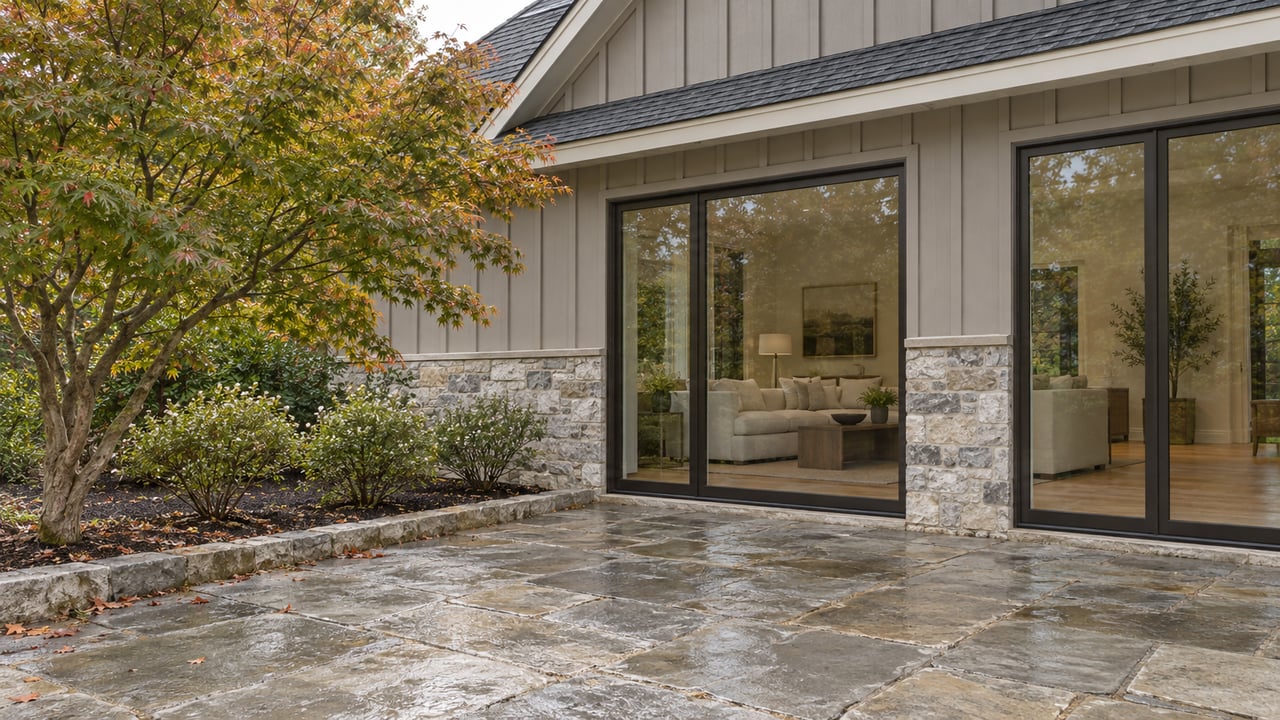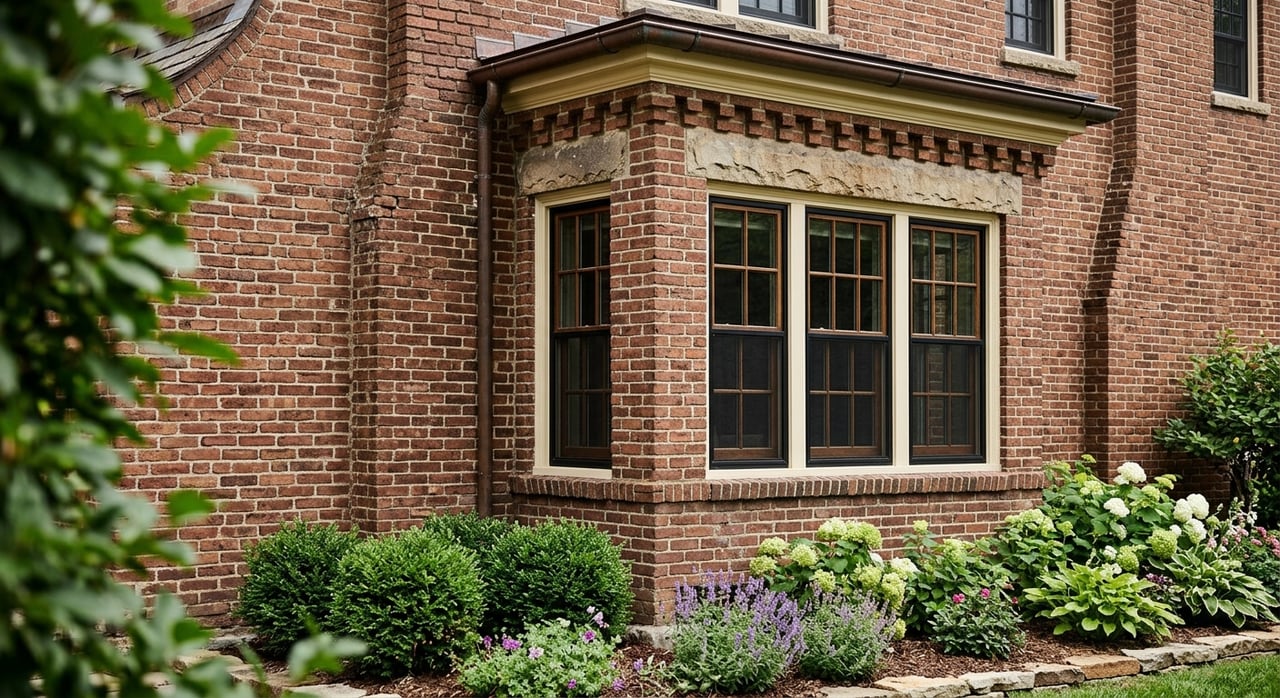
If you are drawn to The Avenues, you already know it does not feel like a copy-and-paste neighborhood. In 84103, historic and character homes often offer charm, texture, and architectural detail that newer construction cannot easily replicate, but they also come with rules, maintenance questions, and lot-specific quirks that matter before you buy. This guide will help you understand what makes Avenues homes different, what to look for during your search, and how to think about updates with confidence. Let’s dive in.
Why Avenues homes feel so distinct
The Avenues is Salt Lake City’s first neighborhood and one of its oldest residential areas. It is both a National Register district and a locally designated historic district, with around 2,700 properties, making it the city’s largest historic district.
That history shows up in the streetscape right away. The neighborhood developed over more than a century, so you will see a layered mix of home sizes, setbacks, forms, and architectural details rather than one uniform look.
Topography also shapes the ownership experience here. The Avenues sits on sloping streets that drop in elevation from north to south, which means lot layout, driveways, retaining conditions, and drainage can vary a lot from one property to the next.
What kinds of homes you will see
One of the most appealing things about The Avenues is its architectural variety. Salt Lake City identifies more than 100 architect-designed homes in the district, with styles that range from Queen Anne and Prairie Style to Craftsman and later period-revival cottages.
A simple way to think about the neighborhood is in layers. Earlier homes often reflect Victorian and Victorian Eclectic influences, while many early-20th-century properties lean bungalow or Craftsman, with later infill and post-war homes appearing on some blocks.
City materials describe the district as roughly 50 percent Victorian, 28 percent bungalow, 10 percent period revival cottages, and 9 percent Modern, World War II, or post-war styles. That mix is part of what gives The Avenues its visual depth.
Common features buyers notice
Many Avenues homes make a strong impression without being especially tall. Historically, most houses appeared as one-story, one-and-one-half-story, or two-story buildings.
You may also notice that Victorian-era homes often have more irregular forms and more wall planes, while bungalow and box-style homes tend to read as simpler and more compact. Detached rear garages are also a traditional pattern in the neighborhood.
Why historic status matters before you buy
This is one of the most important points for buyers to understand. The Avenues is not just a place with older homes. It is a local historic district, and that affects how exterior changes are reviewed.
Salt Lake City requires approval for exterior work in local historic districts before work begins and before a building permit is issued, with the exception of paint color and minor maintenance. Interior work does not require a Certificate of Appropriateness.
That means your plans for a property matter just as much as the property itself. If you love a home as-is, the process may feel straightforward. If your vision depends on major exterior changes, you should review local requirements early.
Not every property is treated the same
Buyers should also know that not every building in the district is necessarily historic or contributing in the same way. Some blocks include later buildings and post-1960 intrusions, even though historically intact residences still define the district overall.
Before you assume a home qualifies for incentives or will be reviewed in a certain way, verify the property’s status with the city map and planning staff. That extra step can help you avoid surprises.
Exterior updates that often raise questions
Historic homes can absolutely evolve over time, but the city’s guidance focuses on keeping changes compatible with the original architecture. In practice, that means preserving visible character-defining features whenever possible.
For example, unpainted historic masonry should remain unpainted because paint can trap moisture and damage the masonry. Historic windows are generally expected to be repaired rather than replaced when possible, and original porches, roof shape, chimneys, dormers, and eaves should typically be retained.
If you are considering a garage, addition, or secondary structure, scale and placement matter too. New garages and accessory structures should remain subordinate and, when possible, detached and consistent with historic form.
A smart buyer mindset for renovations
The best plan is usually not extreme restoration or extreme modernization. A more practical approach is to preserve the visible historic shell and the details that define the home’s character while making thoughtful interior upgrades where appropriate.
For many buyers, that means prioritizing the condition of original windows, porches, rooflines, masonry, and siting first. Cosmetic updates matter, but building envelope issues and water management usually deserve more attention.
What to ask before making an offer
Older homes in The Avenues can be deeply rewarding to own, but they need a different level of due diligence. A good inspection conversation should go beyond surface finishes and focus on the parts of the house most likely to affect cost and long-term care.
Salt Lake City’s preservation handbook points to roof leaks around chimneys, failed flashing, loose or missing shingles, and blocked valleys or gutters as common roof problems. Those issues can become especially important in a neighborhood with varied rooflines and hillside lots.
Inspection topics worth discussing
When you tour or inspect an Avenues home, ask direct questions about:
- Roof condition
- Flashing, valleys, and chimneys
- Gutters and downspouts
- Water movement during heavy rain or spring snowmelt
- Window condition and repair history
- Porch condition
- Masonry condition
- Any additions or exterior alterations
- Retaining walls or hillside grading concerns
Because the neighborhood sits on steep terrain, drainage deserves real attention. Ask where water goes, how it is managed, and whether site conditions suggest future maintenance.
How to vet contractors for an Avenues home
If you plan to make changes after closing, your contractor matters as much as your budget. In a local historic district, you want someone who understands how to work within preservation rules, not someone who treats them as an afterthought.
A preservation-minded contractor should be able to explain how proposed work will retain historic character, how replacement details will be documented, and whether a Certificate of Appropriateness is needed before permit submission. Familiarity with Salt Lake City’s design guidelines is a meaningful signal.
Questions to ask a contractor
Before moving forward with exterior work, consider asking:
- Can this feature be repaired instead of replaced?
- If replacement is necessary, what physical or visual evidence will guide the new detail?
- Will the work keep the original roof form, porch character, window openings, and masonry appearance intact?
- Does this project require Historic Preservation approval before work starts?
- If tax credits are part of the plan, has the project been reviewed before construction begins?
Historic tax credits buyers should know about
For buyers considering a substantial rehabilitation, Utah offers a 20 percent historic preservation tax credit for costs to restore a residential certified historic building. The project must exceed $10,000, and the work must follow the Secretary of the Interior’s Standards for Rehabilitation.
The application must be approved before the project is completed. That timing matters, especially if you are buying with the intention of starting work soon after closing.
There is also a federal 20 percent historic tax credit, but that applies to income-producing properties rather than owner-occupied residential homes. For most buyers focused on a primary residence in The Avenues, the Utah program is the more relevant starting point.
How to balance charm and comfort
Buying a historic or character home in The Avenues often comes down to knowing what should stay and what can thoughtfully change. The homes that age best are usually the ones where original character remains visible, while kitchens, baths, HVAC, insulation, and other systems are updated with care.
If you are comparing properties, look closely at what is intact. A home with preserved windows, porch details, roof form, and masonry character may offer stronger long-term appeal than a home with flashier finishes but compromised exterior integrity.
That balance is where local guidance and experienced representation become especially valuable. In a neighborhood as nuanced as The Avenues, a thoughtful buying strategy can help you protect both your lifestyle and your investment.
If you are exploring historic and character homes in 84103, working with someone who understands design, neighborhood context, and the practical side of older homes can make the process far more comfortable. When you are ready for a polished, concierge-level approach to buying or selling in The Avenues, connect with Whitney Foley.
FAQs
What makes historic homes in The Avenues different from other Salt Lake neighborhoods?
- The Avenues is Salt Lake City’s first neighborhood and a large local historic district, so buyers often see more architectural variety, older housing stock, sloped lots, and exterior review requirements that do not apply in the same way elsewhere.
Do all homes in The Avenues have the same historic restrictions?
- No. The neighborhood is a local historic district, but not every building is necessarily contributing or treated the same way, so buyers should verify a property’s status before making plans.
Can you renovate the interior of a historic home in The Avenues?
- Yes. Salt Lake City says interior work does not require a Certificate of Appropriateness, though project details can still matter if you plan to pursue historic tax credits.
What exterior changes usually need approval in The Avenues?
- In general, exterior work in the local historic district requires approval before work begins and before a building permit is issued, except for paint color and minor maintenance.
What should buyers inspect first in an older Avenues home?
- Buyers should pay close attention to roof condition, flashing, chimneys, valleys, gutters, windows, porches, masonry, additions, drainage patterns, and any retaining or grading issues tied to the lot’s slope.
Are there tax credits for restoring a historic home in Utah?
- Yes. Utah offers a 20 percent historic preservation tax credit for restoring a residential certified historic building when the project exceeds $10,000 and follows the required rehabilitation standards.
Is replacing old windows in an Avenues historic home straightforward?
- Not always. City guidance generally prefers repairing historic windows when possible, and if replacement is necessary, the new work should match the original in scale, proportion, finish, and appearance.