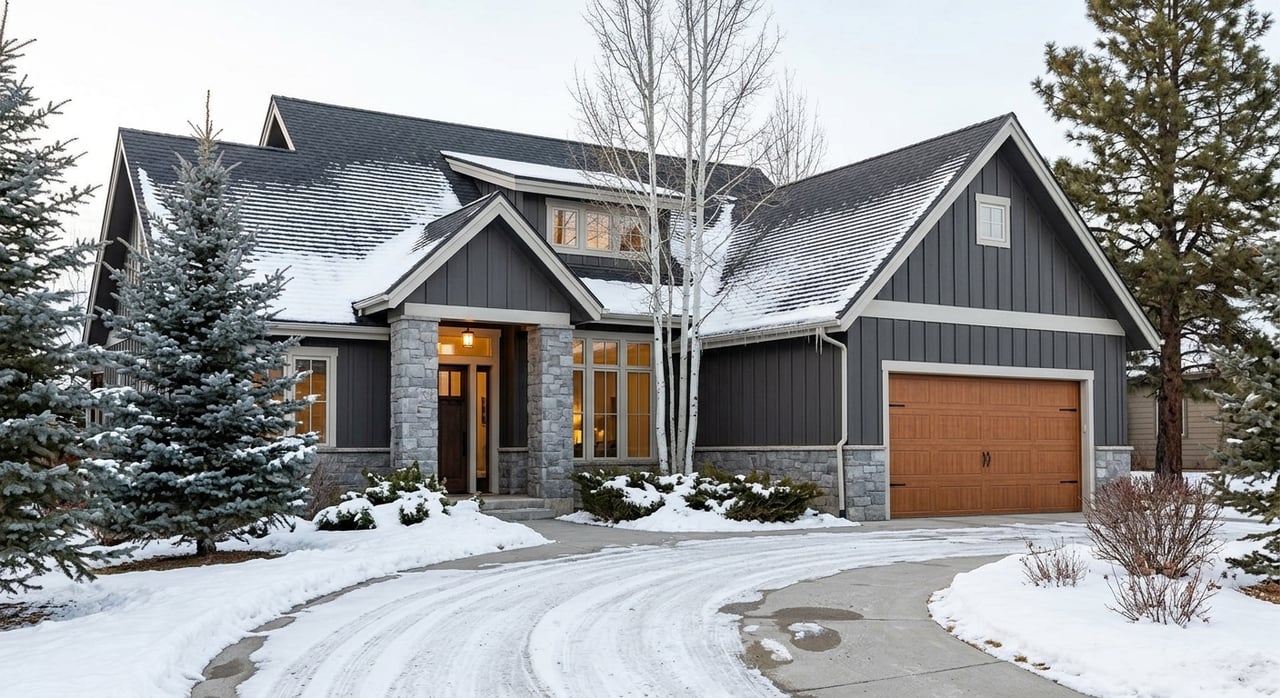
If you picture Park City as only a winter destination, you are missing half the story. Living here means moving with four distinct seasons, each one shaping how you use your home, your time, and the town around you. If you are considering a luxury home in Park City, understanding that year-round rhythm can help you choose a property that fits the way you actually want to live. Let’s dive in.
Park City Is Built for All Four Seasons
Park City functions as a true mountain community, not just a ski town. The city sits at about 7,000 feet, with summer trail season generally running from May through October. NOAA climate normals for the Park City station show an annual mean temperature of 43.6°F and annual snowfall of 218.6 inches, which tells you right away that seasonality is part of daily life.
That seasonal contrast is one of Park City’s biggest draws. January averages 32.7°F for the high and 15.6°F for the low, while July averages 80.4°F for the high and 52.9°F for the low. In practical terms, you get long, snowy winters and warm summers that still feel mountain-cool.
For many luxury buyers, that balance is the appeal. You can enjoy dramatic winter scenery and easy access to snow sports, then shift into hiking, biking, dining, and events once the weather turns. A home here is not just about one peak season. It is about how your property supports your lifestyle all year.
Winter Living in Park City
Winter is a major part of the Park City experience, and it influences how luxury homeowners evaluate location, access, and convenience. Park City Mountain describes itself as the largest ski resort in the U.S., while Deer Valley is known for its ski-only model and groomed terrain. Deer Valley also notes its long-running recognition as Best U.S. Ski Resort by the World Ski Awards, which helps explain its strong luxury reputation.
Still, winter living is about more than resort access. The city says Park City has over 50 km of groomed winter trails, with about 70 km of groomed trails in the area overall. That opens the door to cross-country skiing, snowshoeing, and fat-tire biking, not just downhill days.
For homeowners, daily logistics matter just as much as recreation. The city notes that winter trail access can decrease because of ski-resort operations, and snow removal and snow storage can affect neighborhood parking. If you are comparing homes, details like driveway layout, garage capacity, plowed access, and proximity to transit become especially important in winter.
Transit Makes Winter Easier
One of Park City’s most practical advantages is its transit system. The city says Park City Transit has been fare-free since 1975 and currently runs nine bus routes year-round. Visit Park City also states that neighborhoods, trailheads, Park City Mountain, and Deer Valley are accessible by the free bus system.
That can change your day-to-day experience in a meaningful way. Instead of planning everything around parking, you may be able to move around town more easily during busy winter periods. For second-home owners and out-of-state buyers, that convenience can make ownership feel simpler and more flexible.
Summer Life Has Its Own Energy
Summer in Park City is not the off-season. It is a major part of why many buyers choose the area in the first place. Park City Mountain says summer activities include hiking, biking, ziplines, and alpine slides, with over 150 miles of hiking and biking trails accessible from its two base areas.
The broader outdoor network is even larger. According to the city, the surrounding area includes more than 7,000 acres of preserved open space and more than 350 miles of recreational trails. The trail system also reaches elevations up to 10,000 feet, so conditions can shift quickly even during warmer months.
That matters when you are shopping for a luxury property. In summer, buyers often place more value on outdoor living areas, views, storage for bikes and gear, and easy trail access. A well-positioned home can support everything from early morning hikes to evenings spent outdoors with family and guests.
Events Keep the Town Active
Park City also stays socially active outside ski season. Visit Park City highlights recurring events such as the Latino Arts Festival, Park Silly Sunday Market, Savor the Summit, the July 4th Parade & Celebration, the Kimball Arts Festival, Miner's Day Celebration, Park City Shot Ski, and Howl-O-Ween. The visitor bureau also emphasizes year-round arts and culture, shopping, and dining.
That gives summer and early fall a strong sense of momentum. Your lifestyle here can include outdoor adventure, but it can also include walkable dining, cultural events, and regular community activity. For many homeowners, that variety is what makes Park City feel complete rather than seasonal.
Shoulder Seasons Offer a Different Pace
Spring and fall often bring a quieter rhythm. Based on the town’s concentrated ski season and May-to-October trail season, these transition periods can feel less activity-dense than peak winter or midsummer. For some buyers, that is a plus rather than a drawback.
These months can feel more local and more relaxed. You may notice a slower pace, easier movement through town, and a different experience of the same streets and views. If you want a luxury home that works as both a retreat and an active base, those quieter stretches can be part of the appeal.
What Luxury Ownership Feels Like
Luxury living in Park City is about more than square footage or finishes. It is also about how a home fits into the surrounding landscape, transportation network, and neighborhood context. That is especially true in areas closer to the historic core.
Park City says it is home to more than 400 historic sites, including the Main Street Historic District. The city’s municipal code states that Historic District design review applies to work involving building, locating, constructing, remodeling, altering, or modifying buildings, accessory structures, and sites, including fences and driveways.
If you are considering Old Town or a Main Street-adjacent property, that can affect renovation planning. The city’s Historic Preservation Team encourages owners to review the municipal code for current standards and offers appointments, which reinforces the need to start early when thinking about changes to a property. In those areas, ownership can feel more regulated than in a more typical suburban setting.
Walkability and Airport Access Matter
One reason Park City continues to appeal to second-home buyers and relocating households is that it combines a mountain setting with practical access. The area is about 35 minutes from Salt Lake City International Airport. Visit Park City also describes the town as highly walkable and well connected by transit.
That combination can be especially attractive if you split time between cities, host guests often, or want a mountain property that feels easier to manage. Park City can feel scenic and tucked into the mountains while still supporting convenient day-to-day movement. For many luxury buyers, that blend of setting and accessibility is hard to replicate.
What to Look for in a Four-Season Home
When you evaluate luxury homes in Park City, it helps to think beyond the listing photos and imagine how the property performs across the calendar. A home that feels ideal in February should also support the way you want to live in July, October, and April.
A few practical questions can help guide your search:
- How easy is winter access for cars, guests, and service providers?
- Is the home near transit, trailheads, or walkable amenities?
- Does the property offer outdoor space you will actually use in summer?
- If the home is near the historic core, what rules may apply to changes or upgrades?
- Does the layout support full-time living, part-time stays, or frequent hosting?
The strongest luxury purchase is usually one that matches your real pattern of use. In a place like Park City, that means choosing a property with all four seasons in mind, not just one postcard moment.
Why Year-Round Perspective Matters
A four-season market calls for a thoughtful buying strategy. The best home for you may not simply be the one closest to a resort base or the one with the most dramatic winter photos. It may be the one that balances winter convenience, summer access, shoulder-season calm, and long-term ease of ownership.
That is where local perspective becomes valuable. When you understand how snow, trail season, transit, walkability, and neighborhood rules affect daily life, you can make a more confident decision. In a market as lifestyle-driven as Park City, details matter.
If you are exploring Park City luxury homes as a primary residence, second home, or mountain retreat, a tailored search can help you focus on properties that truly fit the way you live year-round. To start that conversation, connect with Whitney Foley.
FAQs
What makes Park City a four-season luxury market?
- Park City offers snowy winters, warm mountain summers, shoulder seasons with a quieter pace, more than 350 miles of recreational trails, year-round transit, and an active calendar of dining, arts, and community events.
What is winter living like in Park City luxury homes?
- Winter living often involves balancing resort access with practical details like snow removal, neighborhood parking, driveway access, garage space, and proximity to the free transit system.
What is summer like for Park City homeowners?
- Summer includes hiking, biking, mountain activities, outdoor events, dining, and access to preserved open space, with the general trail season running from May through October.
How does Park City transit affect daily life for homeowners?
- Park City Transit is fare-free and operates year-round on nine routes, with access to neighborhoods, trailheads, Park City Mountain, and Deer Valley, which can make getting around easier in busy seasons.
What should buyers know about Old Town Park City homes?
- Homes in or near the historic core may be subject to Historic District design review for changes such as remodeling, accessory structures, fences, and driveways, so renovation planning should begin early.
How close is Park City to the airport?
- Park City is about 35 minutes from Salt Lake City International Airport, which adds convenience for second-home owners, relocating buyers, and visiting guests.