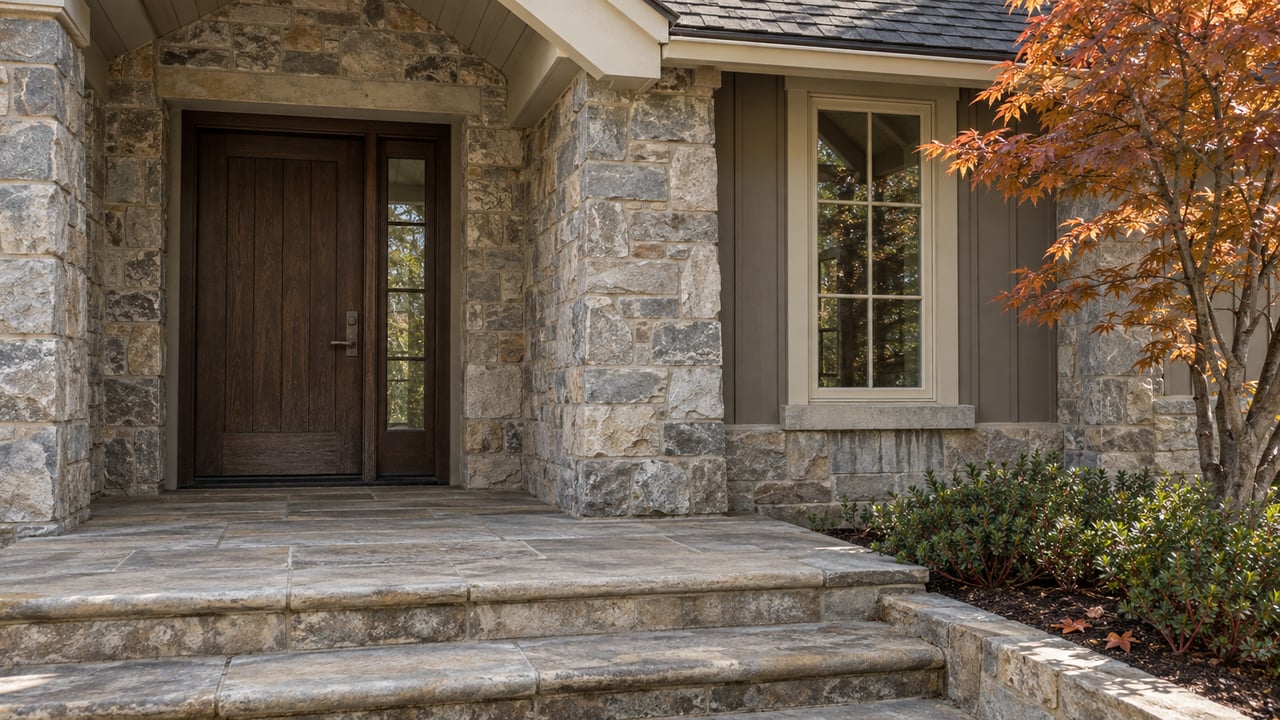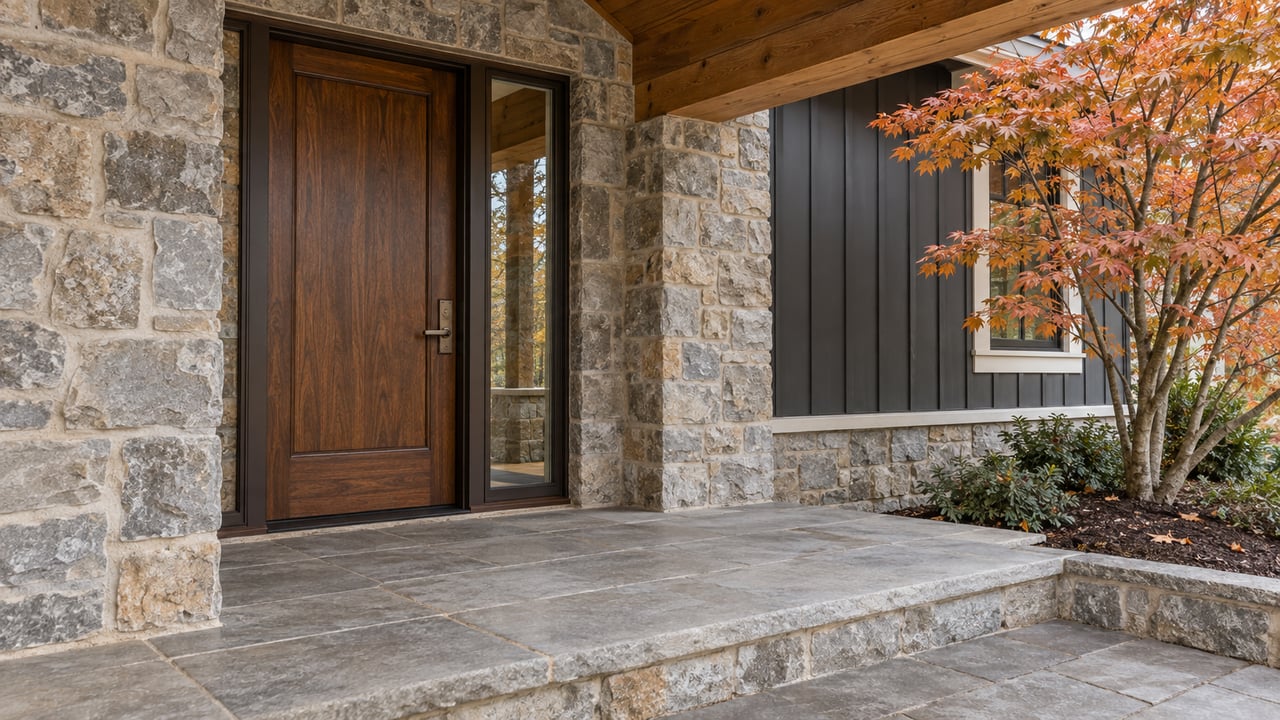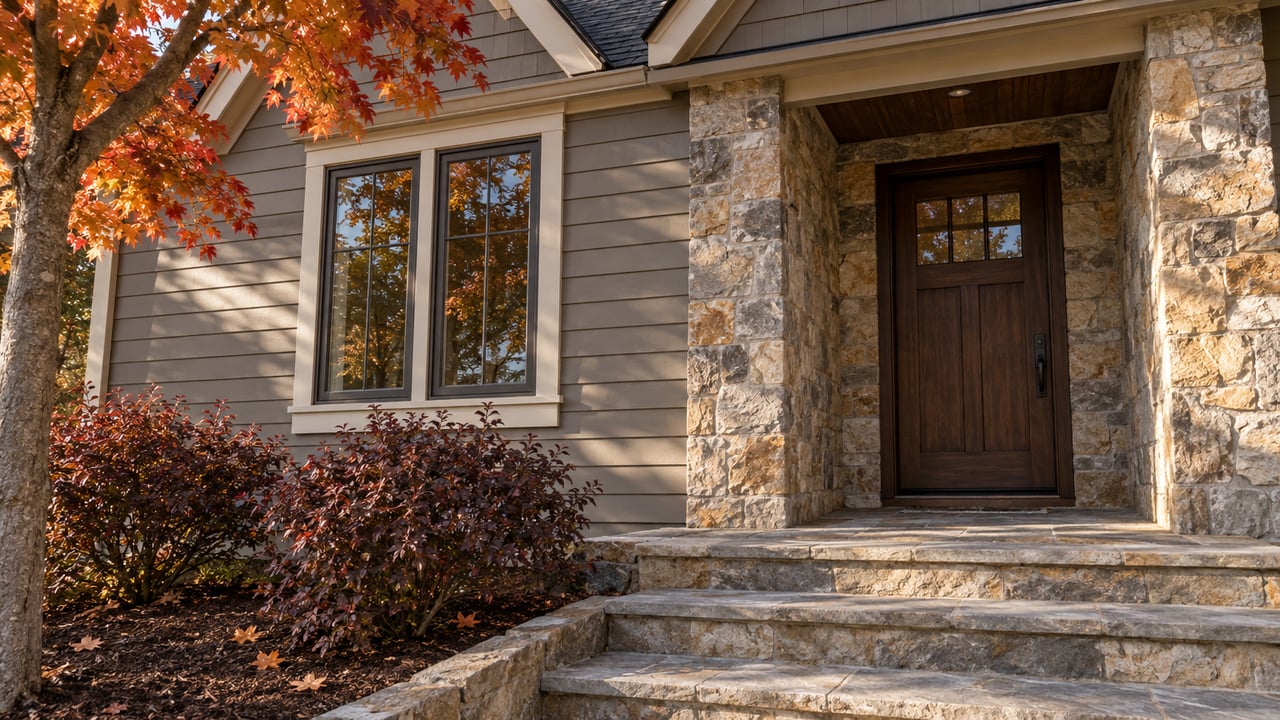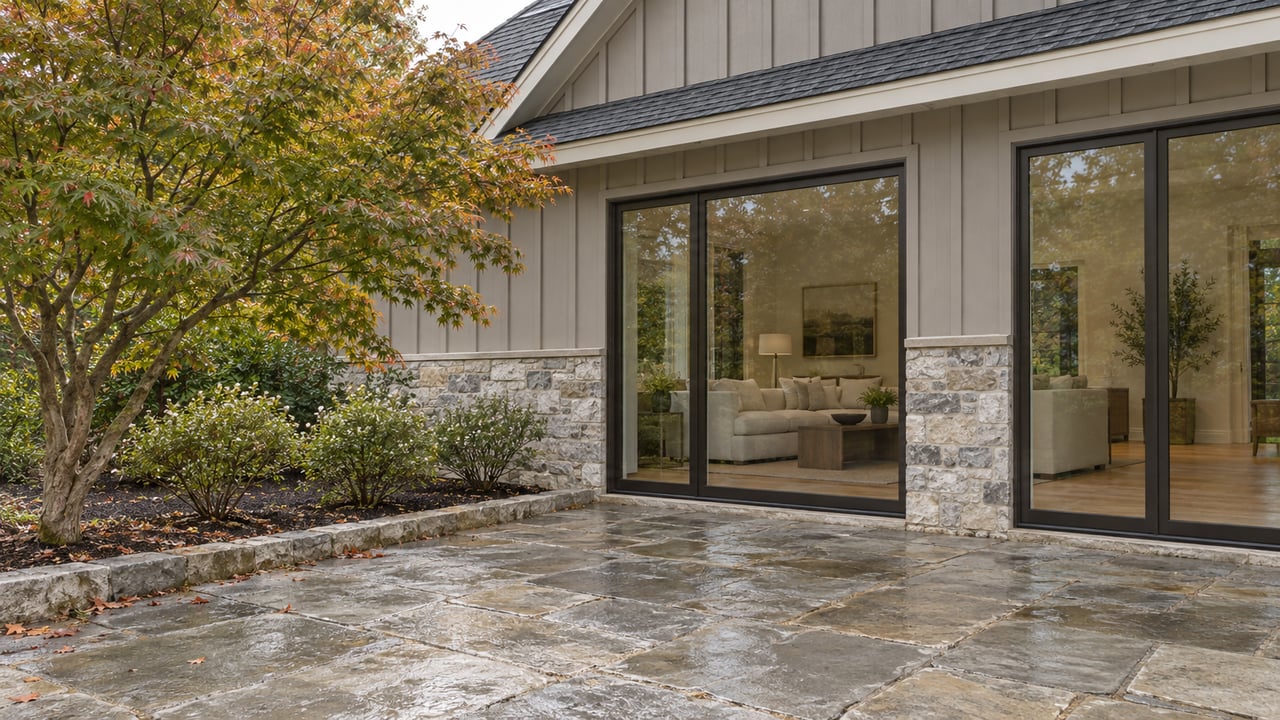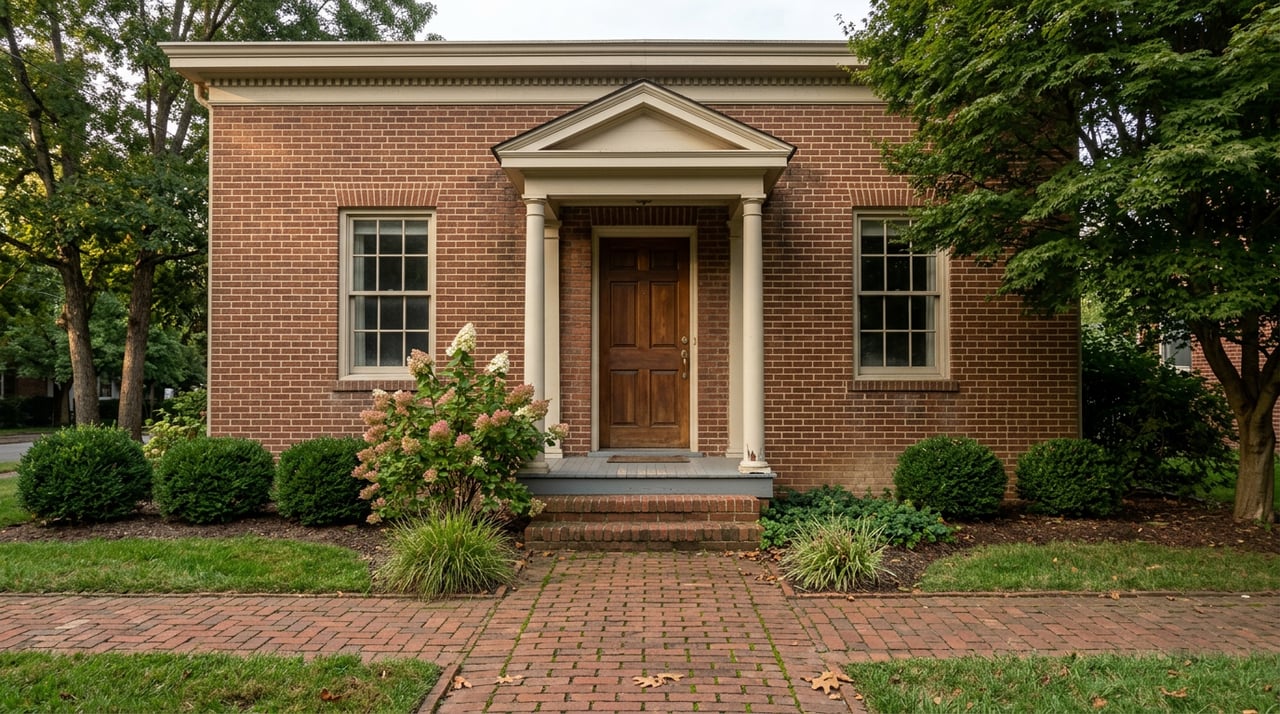
This year, Yalecrest lost three contributing homes to demolition. Separately, one cluster of blocks earned something the rest of the neighborhood doesn't have: designation as Upper Yale Heights, the newest Local Historic District carved out of a place most people already assume is fully protected. Both things happened inside the same boundary. Both things happened under the same word, historic, printed on the same National Register plaque since November 8, 2007.
That plaque doesn't explain the difference. Most residents who live inside it don't know there is one.
What the 2007 listing actually does
When Yalecrest joined the National Register of Historic Places, 91 percent of its homes still carried a high degree of historic integrity, enough uniformity of period-revival cottages and mature street trees to justify federal recognition. That listing is a real honor and a real research tool. It is also, on its own, mostly symbolic. It documents what a neighborhood is. The National Park Service explains that the listing, on its own, does not stop what can happen to it.
K.E.E.P. Yalecrest, the volunteer preservation group that has worked this neighborhood block by block since 2008, says this plainly on its own site: Local Historic District designation is the only protection under Utah law that can slow the rate of teardowns. It is not the National Register listing or the streets named after Ivy League schools; it is a separate, local, block-specific process.
That gap between the neighborhood-wide reputation and the block-specific legal reality is why three contributing homes came down this year in a district that reads, from the street, like it should have been immune.
The patchwork, named
Local Historic Districts inside Yalecrest didn't arrive all at once. They were organized in pieces over time, and the list of what exists today reads like a map of which blocks did the work: Normandie Circle, Harvard Heights, Harvard Park, Laird Heights, Upper Harvard Yale Park, Princeton Heights, Princeton Park, Douglas Park, and Upper Yale Heights. K.E.E.P. Yalecrest marked the new district last fall with a walking tour built specifically to introduce residents to it, a docent-led route through streets that had just gained the protection the rest of the neighborhood is still organizing toward.
Salt Lake City explains that if your street isn't on that list, the certificate-of-appropriateness process that governs window replacements, additions, and demolitions in a Local Historic District doesn't apply to you. Your home is still historic in every descriptive sense. It just isn't reviewed the same way before something changes it.
Streetlamps as a smaller version of the same story
The pattern shows up at a much smaller scale, too. Yalecrest's original 1920s acorn streetlights still stand on plenty of corners, but they aren't being restored neighborhood-wide. K.E.E.P. Yalecrest brings them back one lamp at a time, block by block, through an adopt-a-lamp arrangement with Salt Lake City Public Utilities. The first restoration, in 2015, focused on the iconic lamp at the triangle where Yale and Yalecrest Avenues meet at 1600 East, the only lamp and cage in the city known to have the names of its own streets cast into the ironwork. Since that first restoration, the work has remained a volunteer-driven, corner-by-corner effort rather than a citywide upgrade.
The same logic applies to street signage. The group is working, block by block, to swap modern signs for cast-aluminum versions that match the neighborhood's 1920s character. Like the Local Historic District map, none of this rolls out evenly. It rolls out where a block organizes itself to ask for it.
What sensitive change looks like when it works
None of this means every renovation is a threat. This year's Salt Lake Parade of Homes, which ran through August 15, featured Harvard 1932, a reimagined home built during Yalecrest's defining architectural period. The renovation kept the character of the house intact while reworking the layout and updating the finishes, the kind of project K.E.E.P. Yalecrest's own annual awards exist to recognize: additions and remodels that quietly make a house work better without erasing what made it worth keeping in the first place.
That's the real contrast this year has drawn out. Change isn't the enemy of a historic block. Unreviewed change is. A home like Harvard 1932 and the three teardowns sit on opposite ends of the same question: did anyone with local knowledge of the district get a say before the work started.
The neighborhood still runs on its own calendar
None of this happens in the abstract. The Yalecrest Neighborhood Council met on August 13, with elections on the agenda, the kind of low-key civic meeting that decides who represents these questions to the city next. It's a reminder that the preservation conversation isn't run from a plaque or a database. It's run by neighbors who show up.
And the neighborhood is still, first, a place people walk. The streetcar line that once ran commuters down 1500 East is long gone, but the walkable habits it built into Yalecrest haven't. A short walk toward 15th and 15th puts you at the King's English Bookshop, Caputo's Market, or Encanto Restaurant, the Colombian spot that took over the old La Trattoria Di Francesco space, or a table at Mi Buena Vida. Head the other direction and 9th and 9th holds Coffee Garden and the Tower Theatre, both neighborhood fixtures for longer than most of the homes around them have needed a new roof.
The question worth asking about your own block
If you live in Yalecrest, or you're picturing yourself here, the useful question isn't whether the neighborhood is historic. Everyone already knows that. The useful question is whether your specific block carries Local Historic District protection or only the broader, symbolic National Register designation, because that answer determines what you can do to your own house, what your neighbors can do to theirs, and what the neighborhood looks like a decade from now. K.E.E.P. Yalecrest keeps a public archive of contributing homes and district boundaries, and it's worth five minutes to check where your address actually sits.
Whitney Foley works this exact patchwork with clients weighing what a Yalecrest address really means, from the boundary lines that matter on paper to the blocks that already feel protected because someone showed up to make them that way. If you're trying to understand what a specific Yalecrest property can and can't become, Whitney Foley can walk you through it street by street. Let's find your perfect property.
This article is general information, not legal, tax or financial advice. Consult a qualified professional about your situation.