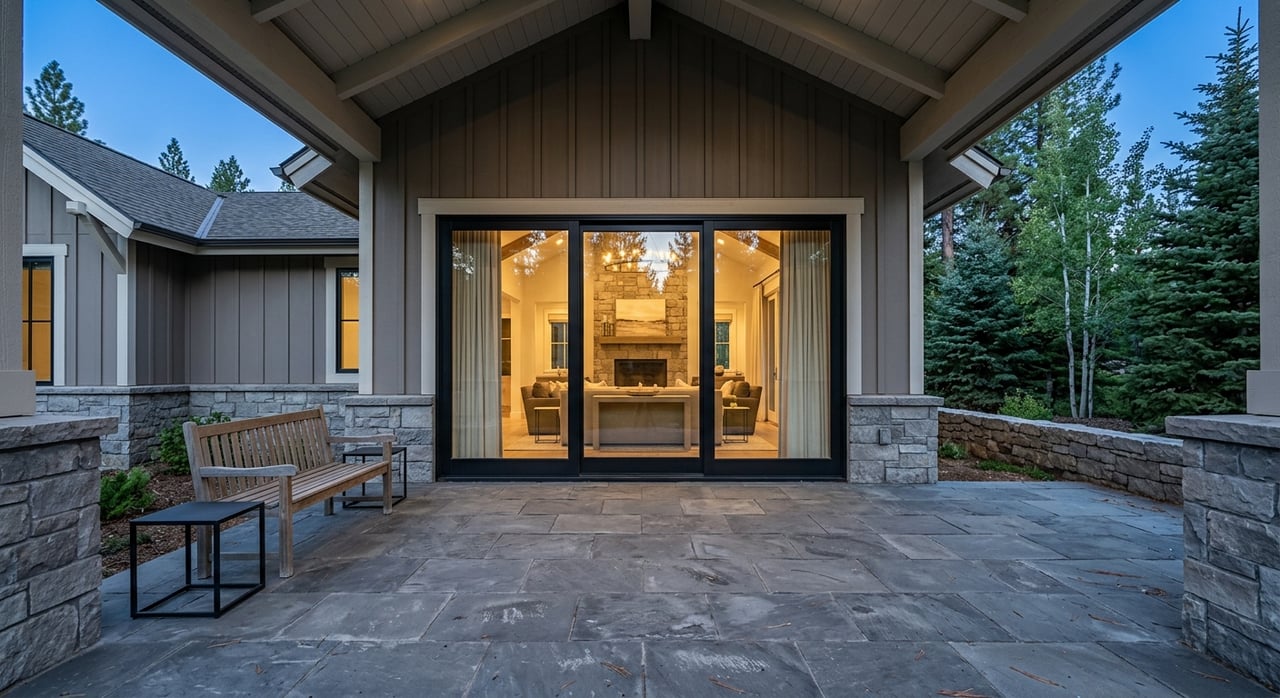
If you want a home base that keeps daily life grounded while putting mountain recreation within easy reach, Holladay stands out. You are not choosing a ski-resort setting here. You are choosing a quiet, established residential community with a foothill feel, mature trees, and direct access to the roads that lead into the Cottonwood Canyons. If that balance matters to you, this guide will show you how Holladay homes connect you to the canyons and what that can mean for your lifestyle. Let’s dive in.
Holladay offers a mountain-edge setting
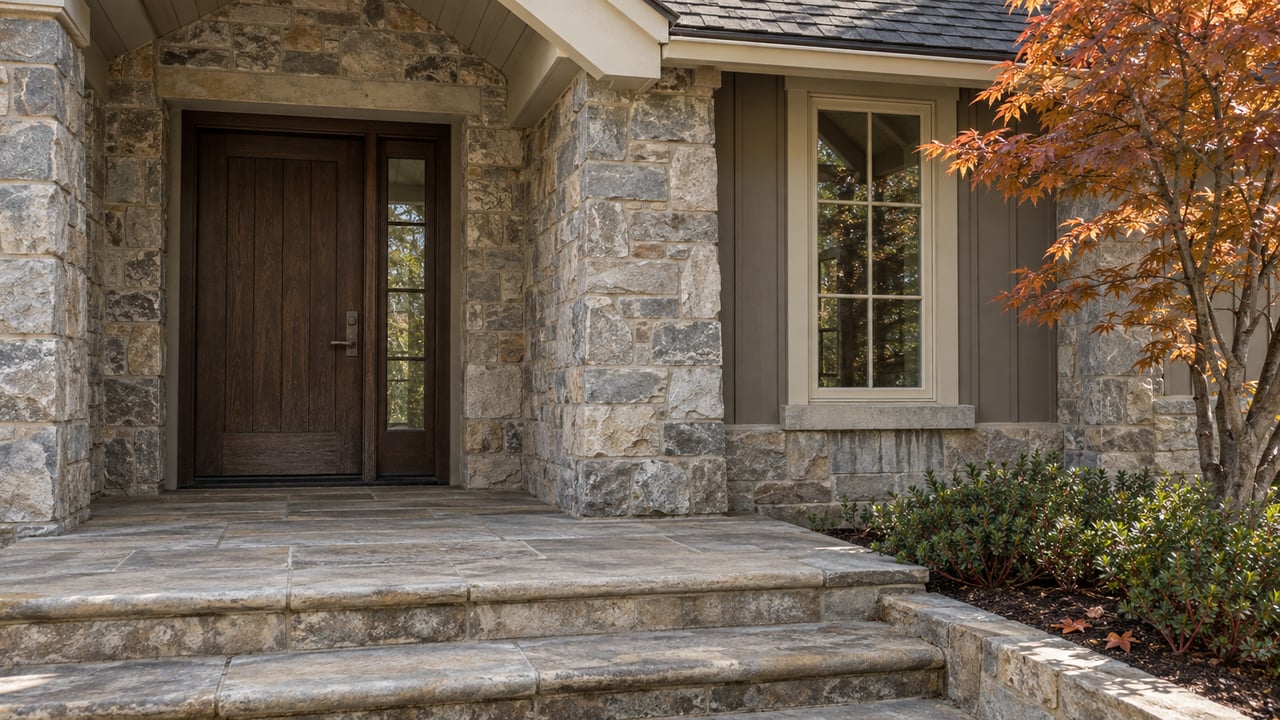
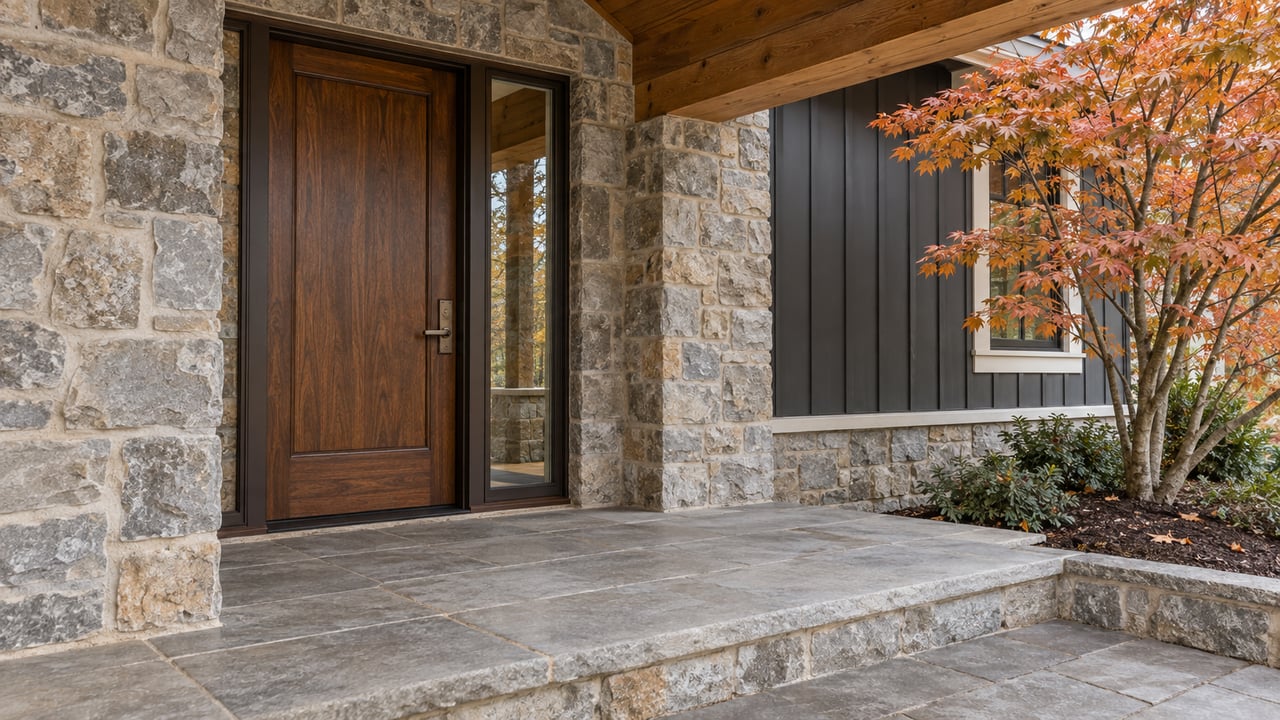
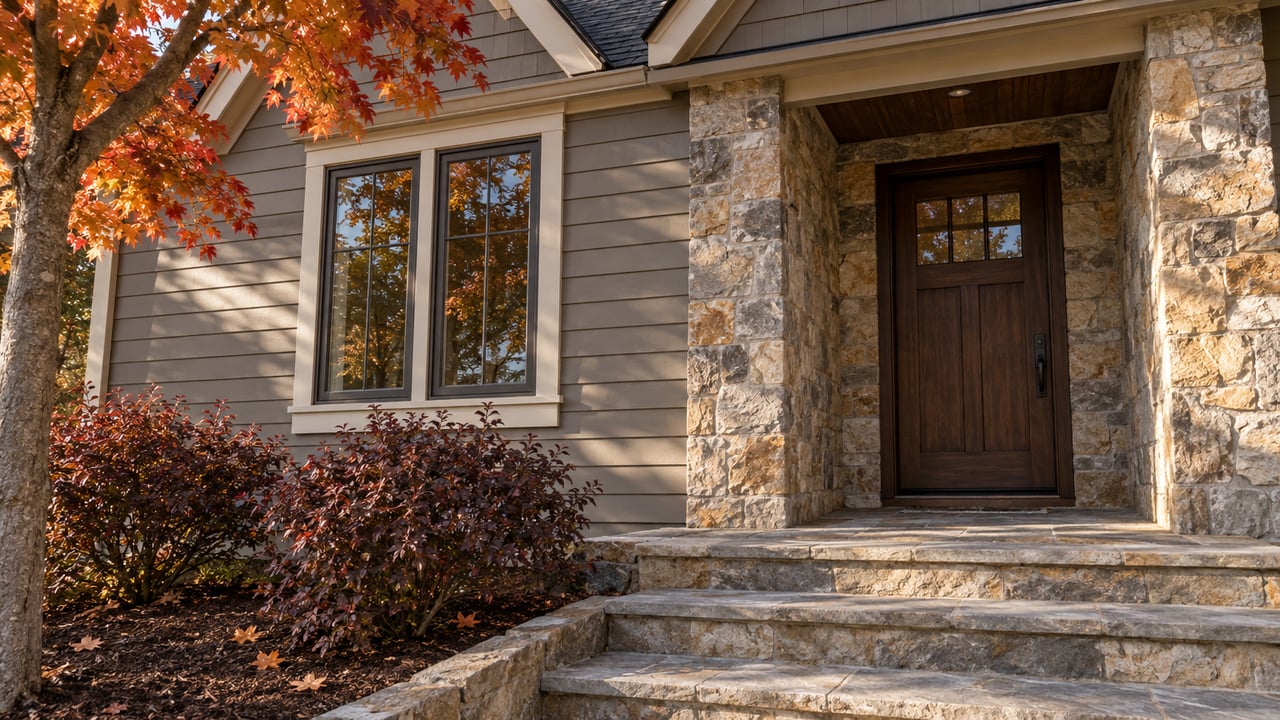
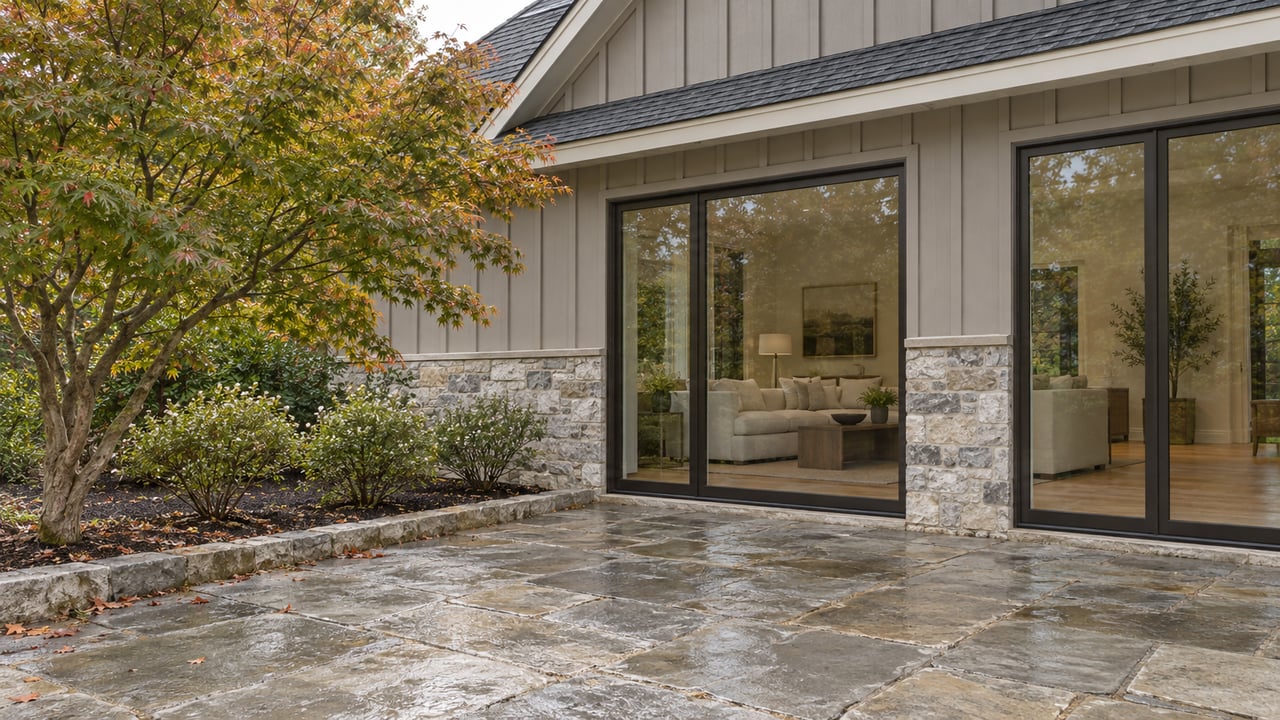
Holladay is shaped by low-density single-family development, older neighborhoods along Big Cottonwood Creek, mature tree canopies, private lanes, and large deep lots. The city describes it as a nearly built-out bedroom community with a green, foothill character reinforced by cottonwood forests, riparian vegetation, and views tied to Mount Olympus.
That description matters because it sets the right expectation. Holladay is not positioned as mountain resort living. Instead, it gives you a residential setting that sits close to the Wasatch foothills and near canyon recreation, which is a big part of its appeal for buyers who want both calm at home and access to the outdoors.
Cottonwood Canyons are within easy reach
One of Holladay’s strongest lifestyle advantages is its direct valley access to the two Cottonwood Canyon roads. According to UDOT, Little Cottonwood Canyon is SR-210 and serves Alta and Snowbird, while Big Cottonwood Canyon is SR-190 and serves Brighton and Solitude.
For many buyers, that means your home can support both everyday routines and regular canyon outings without requiring you to live in a resort market. Exact drive times vary based on where you are in Holladay and current traffic, but the key point is simple: Holladay connects you efficiently to these major canyon routes.
Big and Little Cottonwood serve different trips
Big Cottonwood Canyon and Little Cottonwood Canyon each open the door to a different kind of outing, but both are part of the same larger lifestyle story. Whether you are planning winter ski days, summer trail time, or scenic drives, Holladay gives you a practical starting point.
That nearby access can shape how you use your time. Instead of treating mountain recreation like a once-in-a-while event, you may find it becomes part of your weekly rhythm.
Winter access requires planning
Close access does not mean guaranteed access in every condition. UDOT says both canyon roads are dead-end roads in winter, and either canyon may close fully during avalanche mitigation.
That is important if you expect frequent winter use. During severe weather, traction requirements can apply when the beacons are flashing, so canyon travel from Holladay remains convenient but weather-sensitive.
Traction rules can affect your trip
UDOT says vehicles visiting the Cottonwoods during traction-rule conditions need at least 5/32-inch tread depth and must meet canyon traction rules. UDOT also recommends checking road status before heading up and considering the UTA Ski Bus or a shuttle when conditions are difficult.
For you as a buyer, this is less about inconvenience and more about realistic planning. Holladay gives you access, but smart canyon living also means paying attention to weather, road controls, and seasonal travel patterns.
Canyon travel may keep evolving
Little Cottonwood Canyon is also in an active transportation-planning phase. In December 2025, UDOT said it was moving forward with travel solutions that include improved bus service and infrastructure over the next two years.
That does not change the current experience overnight, but it does show that canyon access remains a major regional focus. If you value long-term usability, that is worth keeping on your radar.
Outdoor living starts in Holladay
A big reason Holladay works so well for outdoor-minded buyers is that you do not have to leave town to enjoy green space. The city’s general plan notes access to city-owned parks, county-owned parks, and school fields, along with future recreation opportunities tied to stream corridors, trails, and bike or pedestrian connections.
In other words, the outdoor lifestyle here starts locally. The canyons may be the headline, but the day-to-day experience also includes neighborhood parks, walking paths, and trail connections that support a more active routine close to home.
Local parks add everyday flexibility
Holladay’s general plan identifies City Hall Park and Knudsen Park as community parks. Salt Lake County also identifies Olympus Hills Park in Holladay as a 31-acre park with eight lighted tennis courts, two baseball diamonds, a playground, and walking paths.
That kind of park access adds flexibility to your schedule. On days when you are not heading into the mountains, you still have easy options for a walk, a casual outing, or time outdoors near home.
Big Cottonwood Regional Park expands options
Salt Lake County says Big Cottonwood Regional Park includes three separate areas around Holladay and Millcreek: Big Cottonwood Area Park, Creekside Area Park, and Holladay Lions Area Park. Listed amenities include walking and jogging paths, a reservable pavilion, playgrounds, sports fields, and disc golf at Creekside.
For buyers comparing neighborhoods, this matters because it shows how outdoor access is layered into the area. You are not relying on one destination. You have multiple recreation settings woven into the broader Holladay experience.
Trail connections support active routines
The city’s general plan says a section of the Bonneville Shoreline Trail is being developed through Holladay. It also supports continued trail development along canals, roadways, and natural drainages.
That is a meaningful detail because it makes trail access part of the neighborhood fabric rather than only a drive-to activity. If you value walking, biking, or staying connected to open space, that can shape how a home feels over time.
Home settings shape the lifestyle
The homes that best align with this canyon-connected lifestyle are often the ones that reflect Holladay’s established land-use pattern. The city describes settings with tree-lined streets, older neighborhoods along Big Cottonwood Creek, large and deep lots, and private lanes.
For you, that may translate into a living environment that feels settled, green, and residential rather than dense or highly urban. Buyers who want outdoor access often respond to that combination because it supports both privacy and proximity.
Near the village core brings convenience
Holladay’s planning documents describe Holladay Village as the traditional downtown core centered at Holladay Boulevard and Murray Holladay Road. The city envisions it as a local commercial center with pedestrian activity.
The same plan also identifies Holladay Crossroads, the Cottonwood redevelopment area, and the Millrock or Canyon Slope Square area as important commercial districts. That means you can pair canyon access with nearby dining, errands, and daily services rather than feeling removed from them.
Most trips are still car-based
Holladay still describes itself as primarily dependent on driving. At the same time, the city says Holladay Village supports pedestrian activity and notes ongoing work on bicycle routes.
That combination creates a practical lifestyle. You can enjoy local convenience close to home while still expecting most daily movement, especially canyon trips, to happen by car.
Who Holladay tends to fit best
Holladay often makes the most sense if you want a residential, tree-canopied setting with quick access to outdoor recreation and a nearby commercial core. It can be especially appealing if you want the feel of an established single-family community instead of a dense urban environment or a ski-town setting.
That fit is less about one buyer type and more about a set of priorities. If you value mature surroundings, access to parks and trails, and a straightforward launch point to the Cottonwood Canyons, Holladay offers a compelling balance.
If you are considering a move in Holladay or comparing East Bench options, Whitney Foley offers thoughtful, concierge-level guidance tailored to the way you want to live.
FAQs
How close is Holladay to the Cottonwood Canyons?
- Holladay has direct valley access to the roads for Big Cottonwood Canyon and Little Cottonwood Canyon, though exact travel time depends on your starting point, traffic, and weather conditions.
Can winter conditions affect canyon access from Holladay?
- Yes. UDOT says both canyons may close during avalanche mitigation, and traction requirements can apply during severe winter conditions.
What roads connect Holladay to the canyons?
- UDOT identifies Little Cottonwood Canyon as SR-210 and Big Cottonwood Canyon as SR-190.
Are there outdoor options in Holladay without going into the canyons?
- Yes. Holladay has access to community parks, regional parks, walking paths, and developing trail connections, including areas within Big Cottonwood Regional Park and the Bonneville Shoreline Trail corridor.
What kind of home setting supports the Holladay canyon lifestyle?
- The city’s land-use descriptions point to tree-lined streets, older neighborhoods along Big Cottonwood Creek, large deep lots, private lanes, and homes near local commercial areas for convenient daily access.