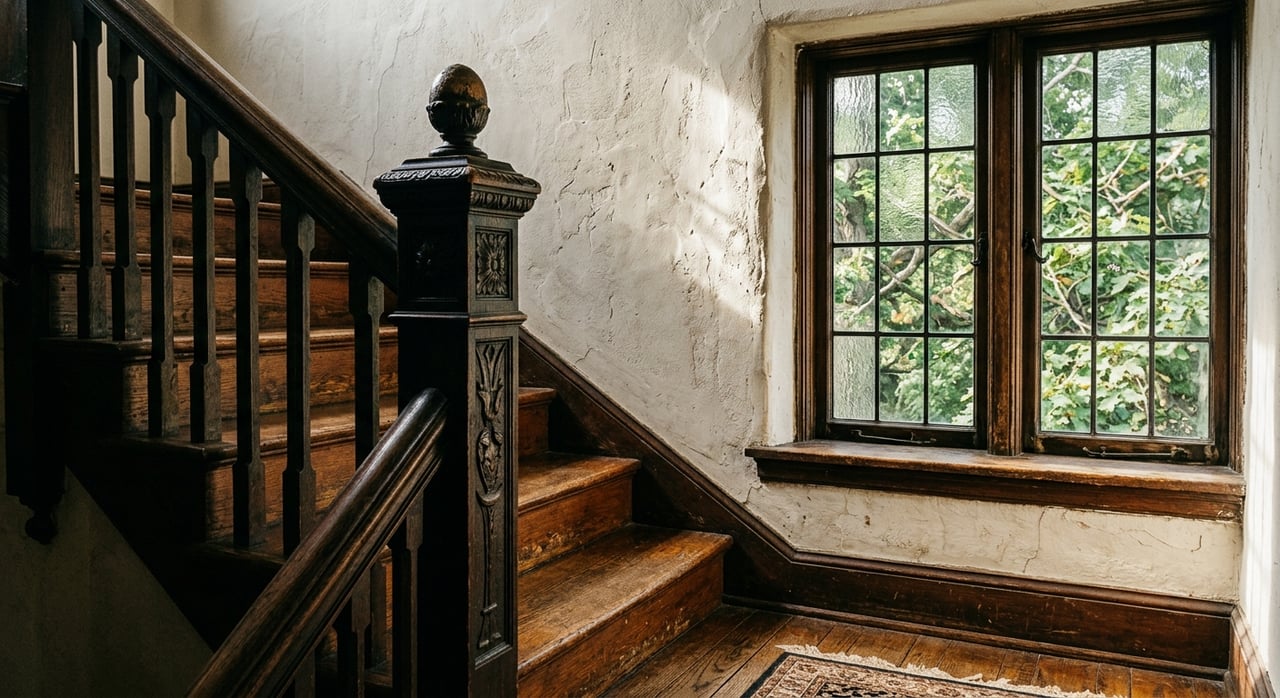
Thinking about buying a historic home in Yalecrest? It’s easy to fall for the storybook Tudor lines, original brickwork, and tree-lined streets, but older homes come with a different set of questions than a newer property. If you want to buy with confidence, it helps to understand historic district rules, renovation limits, and the inspection items that matter most. Let’s dive in.
Why Yalecrest Stands Out
Yalecrest is one of Salt Lake City’s best-known historic areas on the East Bench, with development that took shape from 1910 to 1938. According to Salt Lake City, the neighborhood is especially known for period-revival cottages, including English Tudor and English Cottage styles, along with bungalows.
The area’s appeal is not just about age. The city describes Yalecrest as visually cohesive, with mature tree-lined streets, consistent setbacks, and similar building scale and landscaping. When you buy here, you are often buying into a neighborhood character that has been carefully preserved over time.
Know the Historic District Type
One of the most important first steps is confirming what kind of historic designation applies to the specific property. In Yalecrest, that can make a major difference in what you can change and how projects are reviewed.
Local vs. National Historic Districts
Salt Lake City treats Local Historic Districts differently from National Historic Districts. If a home is in a local historic district, most exterior work beyond paint color and minor maintenance requires approval before work begins and before a building permit is issued.
That approval comes through a Certificate of Appropriateness. Interior work does not require a Certificate of Appropriateness, but exterior character can affect both your renovation plans and your timeline.
If a property is only in a National Historic District, city planning approval is not required for exterior work in the same way. You may still need building permits, so it is smart to verify the property’s status early instead of making assumptions.
Why This Matters Before You Buy
A home can look move-in ready during a showing, but your plans may include new windows, roofing work, a porch update, or an addition. In a local historic district, those visible changes may need review by the city before work can start.
Salt Lake City’s preservation guidance focuses on features like windows, doors, roofs, porches, materials, architectural details, additions, and accessory structures. For buyers, that means historic character is not just aesthetic. It can shape costs, timing, and project scope.
Focus on the Right Inspection Areas
With any older home, a standard walkthrough is not enough. In Yalecrest, a thoughtful inspection strategy can help you understand both immediate repairs and long-term stewardship.
Roof Condition and Detailing
Roofing deserves close attention in a historic home. The National Park Service notes that a historic roof should be understood in terms of its character, craftsmanship, detailing, and visible materials.
For you as a buyer, the practical issues include roof age, flashing, gutters, valleys, chimneys, and dormers. These are the areas where hidden wear can show up, and they can become expensive if missed during due diligence.
Historic Windows
Original windows are often a major part of a Yalecrest home’s charm. They are also one of the first features buyers wonder about, especially if energy efficiency is on your mind.
The National Park Service advises that inspection should come before deciding on repair versus replacement. In many cases, weatherstripping and caulking may address performance concerns, and historic windows should be repaired when possible. If replacement is truly necessary, the new windows should closely match the original design, color, texture, and, where possible, materials.
Moisture and Drainage
Moisture is one of the biggest risks in older homes. The National Park Service says uncontrolled moisture is the most common cause of deterioration in historic buildings and can lead to rot, corrosion, erosion, and structural damage.
That makes drainage and ventilation especially important in Yalecrest homes. You will want your inspection team to look closely at grading, downspouts, crawlspaces, attic ventilation, and any evidence of current or past water intrusion.
Masonry and Brick
Many historic Yalecrest homes feature brick or other masonry that adds to their curb appeal and architectural value. Those surfaces should be inspected carefully for cracking, spalling, bowing, leaning, and deteriorated mortar.
Water is especially hard on historic masonry, and cracking can happen for several reasons, including settlement, moisture movement, freeze-thaw cycles, or corrosion of reinforcement. If masonry issues appear, it is worth understanding not just the visible damage but the likely cause.
Lead-Based Paint Risk
Because many Yalecrest homes were built in the early 20th century, lead-based paint is a practical issue to consider. The EPA says 87% of homes built before 1940 contain some lead-based paint.
Federal law also requires sellers to disclose known lead-based paint information for most homes built before 1978. Buyers generally have a 10-day window to conduct a lead inspection or risk assessment, so this is an issue to plan for early in the transaction.
Plan for Ongoing Maintenance
Historic-home ownership usually works best when you think in terms of steady care rather than one large future renovation. Older homes tend to reward owners who stay ahead of drainage issues, roof maintenance, ventilation concerns, and exterior upkeep.
This matters in Yalecrest because preserving a home’s character often depends on many smaller decisions over time. A deferred-maintenance approach can turn manageable repairs into larger restoration projects.
Expect Exterior Upkeep to Be Recurring
Roof care is not one-and-done, and moisture management is never something to ignore in an older property. Routine review of roofing details, gutters, drainage, and exterior materials can help protect both the house and your budget.
If you are buying a home with original or older exterior components, it is wise to budget for ongoing maintenance from the start. That mindset tends to make historic ownership far more manageable.
Involve the Right Professionals Early
If you expect to change visible exterior features, Salt Lake City recommends checking with Historic Preservation staff before work begins. Some minor work may be reviewed across the counter, while more complex projects can be forwarded to the Historic Landmark Commission.
If the home may need major rehabilitation, it also helps to involve a preservation-aware contractor, architect, or inspector early. This is especially important if your plans include windows, roofing, masonry, additions, or other exterior elements that shape the home’s historic appearance.
Understand Potential Tax Incentives
For some buyers, a larger rehabilitation project may open the door to state-level tax incentives. Utah’s State Historic Preservation Office says the state historic preservation tax credit offers a 20% credit for qualified residential buildings listed on the National Register of Historic Places when project costs exceed $10,000 and the work follows required preservation standards.
The timing matters here. Utah’s guidance recommends applying before work starts, and it warns that work begun without prior approval is done at the owner’s risk. If you are buying with renovation in mind, this is something to research before finalizing scope and budget.
Why Original Details Matter
In Yalecrest, original details are a big part of what gives a home its presence. Windows, porches, roof forms, trim, and masonry do more than create charm. They help the property read as part of the larger historic rhythm that defines the neighborhood.
That is one reason intact homes often feel especially compelling here. The more original character a property retains, the more closely it reflects the qualities Salt Lake City highlights in Yalecrest’s historic identity.
Authenticity Has Practical Value
Original features can also be the hardest to replace well. The National Park Service emphasizes repair when possible, especially for windows, and notes the importance of matching historic materials and visible detailing when replacement cannot be avoided.
For you as a buyer, that means authenticity is part of the home’s value proposition. It is not only about owning an older house. It is about owning a property whose defining features still support its architectural story.
A Smart Buyer Checklist for Yalecrest
Before you move forward on a historic home in Yalecrest, keep these priorities in mind:
- Confirm whether the property is in a local historic district or only a National Historic District.
- Ask for prior Certificates of Appropriateness, building permits, and records of exterior work.
- Have inspections focus closely on the roof, windows, moisture pathways, masonry, and lead-based paint risk.
- If major rehabilitation is likely, talk with a contractor or architect who understands preservation work before finalizing your budget.
- Treat maintenance planning as part of your buying decision, not something to figure out after closing.
Buying a historic home in Yalecrest can be incredibly rewarding when you go in with clear expectations. The right property offers character, design integrity, and a strong sense of place, but it also asks for careful due diligence and thoughtful planning. If you want expert guidance as you evaluate East Bench character homes, connect with Whitney Foley for concierge-level support tailored to Salt Lake City buyers.
FAQs
What should you check before buying a historic home in Yalecrest?
- Confirm the property’s historic district status, review any past exterior approvals and permits, and have inspections focus on roofing, windows, moisture, masonry, and lead-based paint risk.
What is a Certificate of Appropriateness in Yalecrest?
- In Salt Lake City local historic districts, a Certificate of Appropriateness is the approval typically required for exterior work beyond paint color and minor maintenance before work begins and before a building permit is issued.
Can you remodel a historic home in Yalecrest?
- Yes, but if the property is in a local historic district, many exterior changes may require city review and approval before construction starts.
Do Yalecrest historic homes qualify for tax credits?
- Some may qualify for Utah’s state historic preservation tax credit if the building is listed on the National Register, project costs exceed $10,000, the use is residential, and the rehabilitation meets required standards.
Why do original windows and details matter in Yalecrest homes?
- Original features help preserve the architectural character of the home and support the historic look that makes Yalecrest distinct.