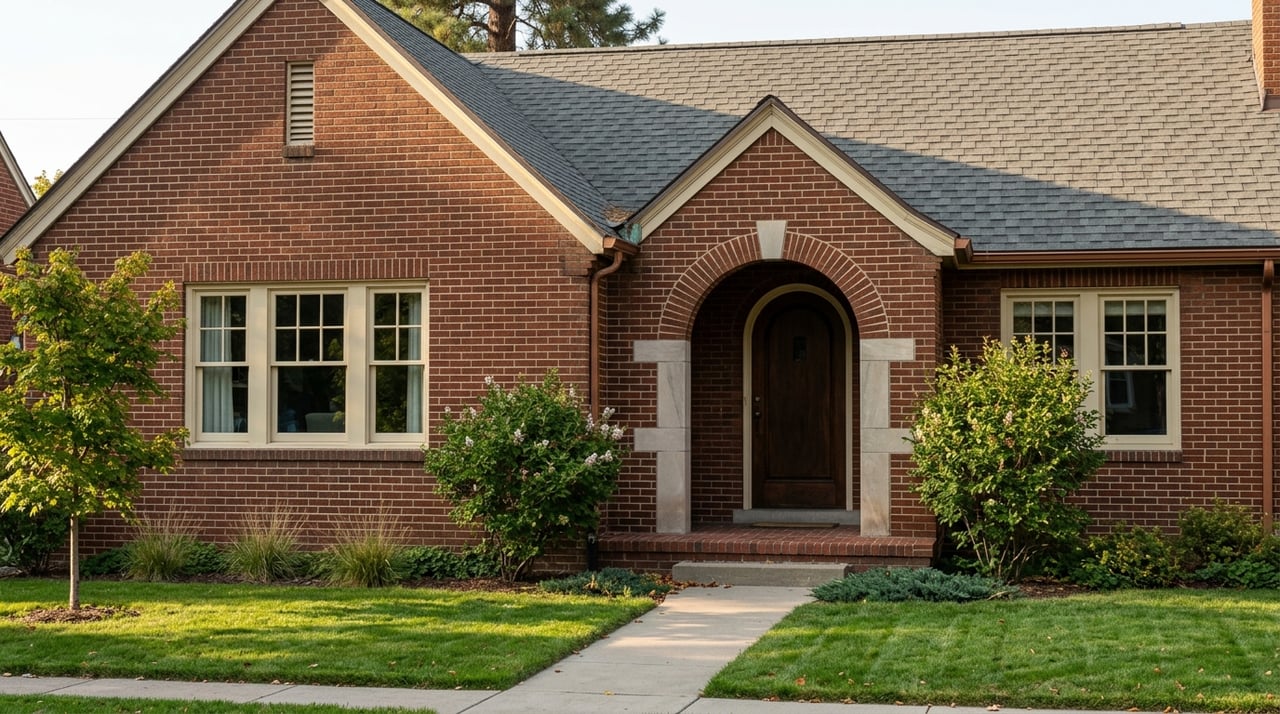
Wondering what gives Yalecrest its unmistakable charm? If you have ever walked these East Bench streets and noticed how the homes feel distinct yet beautifully connected, you are seeing one of Salt Lake City’s most recognizable historic neighborhoods at work. Understanding Yalecrest’s architectural styles can help you better read the neighborhood, whether you are buying, selling, or simply appreciating what makes these homes so enduring. Let’s dive in.
Why Yalecrest Looks So Cohesive
Yalecrest developed quickly during a defining stretch of the early 20th century. Salt Lake City notes that 22 subdivisions were platted between 1910 and 1938, and the neighborhood’s homes largely reflect the popular revival styles of that era, especially English Tudor and English Cottage.
That concentrated period of development still shapes how the neighborhood feels today. According to the 2005 reconnaissance survey, 81% of Yalecrest’s primary structures were built between 1910 and 1939, which helps explain the consistent character from block to block.
The neighborhood also reads as a unified streetscape, not just a collection of individual houses. Salt Lake City describes uniform setbacks, comparable massing and landscaping, and mature tree-lined streets, all of which contribute to Yalecrest’s strong curb appeal.
For you as a buyer or seller, that matters. In Yalecrest, visual appeal is not only about one front door or one facade. It is also about how a home fits into the rhythm of the street.
The Styles That Define Yalecrest Homes
Yalecrest is best known for period-revival architecture. In simple terms, that means early 20th-century homes that borrowed inspiration from earlier European forms rather than copying them exactly.
The survey shows that the neighborhood’s largest style categories are period cottages at 53% and bungalows at 19%. Within those numbers, English Cottage accounts for 19%, English Tudor for 15%, and Colonial Revival for 9%, with several less common styles adding variety.
English Cottage Style
English Cottage is one of the signature looks in Yalecrest. These homes are typically a simpler, brick-forward relative of Tudor Revival, often with asymmetrical facades, irregular picturesque massing, and steep front-facing cross gables.
Many Yalecrest examples are single-story, though there are also one-and-a-half-story and two-story versions. From the street, they often feel modest but full of character, with a storybook quality that fits naturally into the neighborhood’s tree-lined setting.
If you are trying to identify an English Cottage home quickly, look for a house that feels steep-gabled and charming without a lot of dramatic contrast in its exterior materials. In Yalecrest, these homes often read as warm, approachable, and distinctly historic.
Tudor Revival Style
Tudor Revival is the other standout style in Yalecrest, and it tends to be a bit more dramatic. These homes are usually asymmetrical, with steep gables, mixed materials, tall narrow casement windows, recessed entries, and visible half-timbering.
If there is one feature that makes Tudor Revival easiest to spot, it is half-timbering. Yalecrest’s survey specifically notes that this is the clearest visual cue for Tudor examples in the district.
Compared with English Cottage homes, Tudor Revival houses often show more contrast across the facade. They can feel more layered and theatrical from the curb, while still fitting the neighborhood’s overall scale and rhythm.
Colonial Revival and Cape Cod Variants
Colonial Revival appears in a smaller but still important share of Yalecrest homes. This style draws from Georgian, Federal, and Greek precedents, and it is typically marked by rectangular plans, gable or cross-gable roofs, double-hung windows, classical porch trim, and often a centered entry.
In Yalecrest, Colonial Revival ranges from larger brick homes to smaller Cape Cod cottages. That adds a more restrained and symmetrical look to the neighborhood, creating contrast with the more picturesque English Cottage and Tudor homes.
If you prefer architecture that feels orderly and balanced, Colonial Revival often stands out for those reasons. It brings a quiet formality that complements Yalecrest’s more romantic revival styles.
Bungalows and Craftsman-Influenced Homes
Bungalows were the first house type to appear in Yalecrest, and they remain an important part of the neighborhood’s architectural story. The survey records them as a major category, making them one of the key early layers in Yalecrest’s development.
Bungalow and Craftsman-influenced homes are usually low, porch-oriented houses with broad eaves, exposed rafters or brackets, and rustic materials. The style is generally associated with open, informal, and economical planning.
From the street, these homes can feel especially welcoming. Even when modest in size, their porch-forward design and low-slung proportions often give them a generous presence.
Rarer Styles That Add Variety
Yalecrest is not limited to just a few familiar looks. The neighborhood survey also identifies French Norman, Dutch Colonial, Jacobethan Revival, Spanish Colonial Revival, Art Moderne, Art Deco, and International Style examples.
These styles are much less common, but they add texture to the neighborhood’s visual identity. Because they still fit within Yalecrest’s early- to mid-20th-century building period, they feel distinctive without seeming out of place.
For buyers, these rarer homes can be especially memorable. For sellers, they can also offer a strong point of differentiation when a property’s architectural details are thoughtfully presented.
How to Read a Yalecrest Home From the Street
If you are house hunting in Yalecrest, a few visual cues can help you identify style quickly. Once you know what to look for, the neighborhood becomes easier to understand block by block.
Key Exterior Clues
- English Cottage: brick-forward exterior, steep gables, asymmetrical facade, simpler detailing
- Tudor Revival: half-timbering, mixed materials, steep gables, narrow casement windows, recessed entry
- Colonial Revival: centered entry, double-hung windows, rectangular form, more symmetrical facade
- Bungalow/Craftsman: low-slung profile, broad eaves, porch emphasis, exposed rafters or brackets
In Yalecrest, preservation-sensitive details matter because they register strongly against the neighborhood’s consistent backdrop. Roof pitch, chimney placement, porch size, window rhythm, and exterior materials all help define both the individual home and the block as a whole.
What These Styles Can Suggest About Interiors
While every house is different, exterior style can offer clues about how a home may feel inside. In Yalecrest, many houses are one to one-and-a-half stories, so interiors often feel more compact than sprawling.
Bungalows usually read as the most open and informal type. Colonial Revival homes often feel more ordered and axis-driven, while Tudor and English Cottage homes tend to feel more picturesque and asymmetrical.
These are helpful patterns, not hard rules. Still, if you are comparing homes in Yalecrest, understanding the link between exterior style and likely interior character can make your search more focused.
Why Architecture Matters for Buyers and Sellers
For buyers, Yalecrest architecture is about more than curb appeal. Style influences how a home lives, how it presents from the street, and how it contributes to the neighborhood’s historic identity.
For sellers, architecture can shape how your property is perceived from the very first showing photo to the first drive-by. In a neighborhood where setbacks, massing, mature trees, and roofline rhythm already create a strong visual framework, the right presentation of architectural details can have an outsized impact.
That is especially true in a design-conscious market. Thoughtful listing photography and clear storytelling around a home’s style can help buyers understand what makes a Yalecrest property special at first glance.
Why Yalecrest Stands Out in Salt Lake City
Salt Lake City notes that Yalecrest examples are used to illustrate period-revival architecture in Utah’s only statewide architectural style manual. That says a great deal about the neighborhood’s importance.
Yalecrest stands out not because every home looks the same, but because the mix of styles still feels coherent. English Cottage, Tudor Revival, Colonial Revival, and early bungalows all contribute to a streetscape that feels rooted, recognizable, and carefully scaled.
If you are drawn to homes with design character, Yalecrest offers one of the clearest architectural identities in Salt Lake City. And if you own a home here, that identity is part of what makes the neighborhood so enduring.
If you are considering buying or selling in Yalecrest, it helps to work with someone who understands not just the market, but also the design language that shapes how these homes are valued and presented. To start the conversation, connect with Whitney Foley.
FAQs
What architectural style is most common in Yalecrest?
- Yalecrest is best known for period-revival cottage architecture, especially English Cottage and Tudor Revival, with bungalows also making up a major share of the neighborhood.
How can you tell if a Yalecrest home is Tudor Revival?
- The easiest clue is half-timbering. Tudor Revival homes in Yalecrest often also have steep gables, mixed exterior materials, narrow casement windows, and recessed entries.
What makes Yalecrest homes feel so consistent?
- Yalecrest feels cohesive because of its uniform setbacks, comparable house massing and landscaping, and mature tree-lined streets, along with the fact that most homes were built during a relatively concentrated period.
Are Yalecrest homes only English Cottage and Tudor?
- No. Yalecrest also includes Colonial Revival, bungalows, French Norman, Dutch Colonial, Jacobethan Revival, Spanish Colonial Revival, and a small number of modernistic styles like Art Moderne, Art Deco, and International Style.
What does Colonial Revival look like in Yalecrest?
- Colonial Revival homes in Yalecrest often have a more symmetrical facade, a centered entry, double-hung windows, and restrained classical trim, with forms that range from larger brick homes to smaller Cape Cod cottages.
Why does architectural style matter when buying in Yalecrest?
- Architectural style can help you understand a home’s curb appeal, likely layout character, and how it fits into Yalecrest’s broader historic streetscape, which can all shape your buying decision.